
year
20
24
SECRET LEVEL
UNREAL TOURNAMENT: XAN
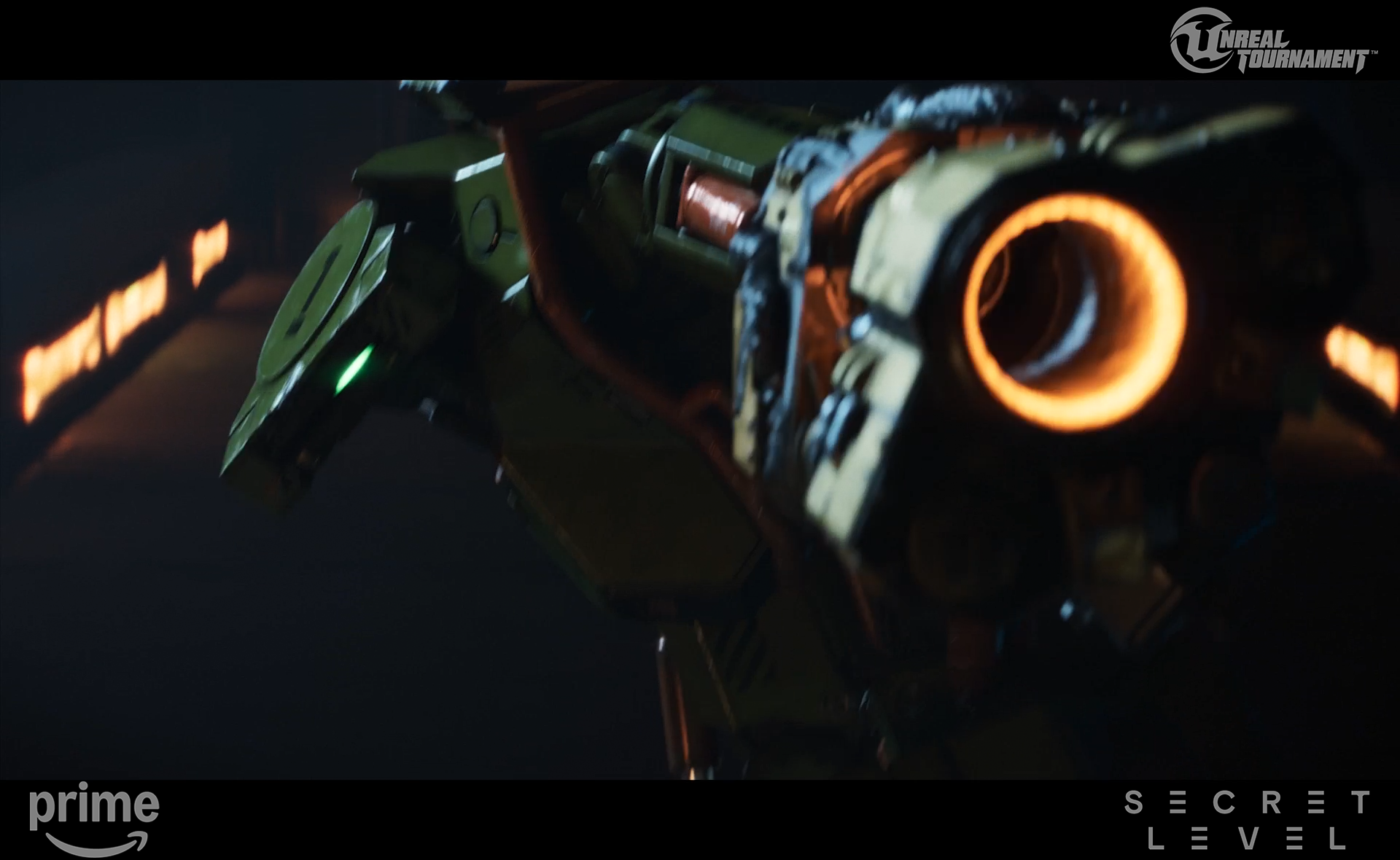
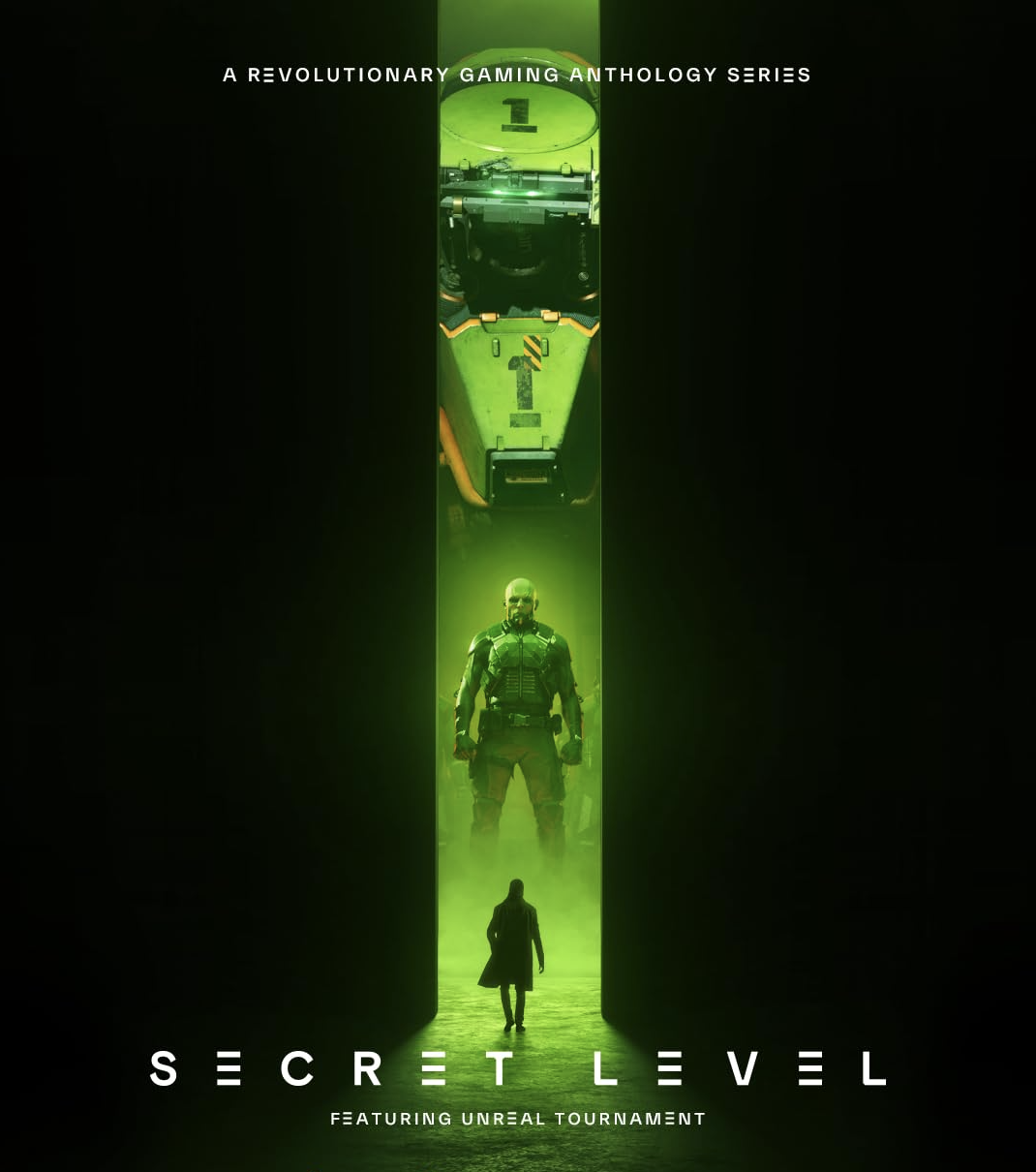
Secret Level is an award-winning animated anthology streaming on Amazon Prime. Episode Unreal Tournament: Xan is a love letter to the legendary video game Unreal Tournament, reimagining its arenas and characters with cinematic flair while honoring the spirit of the game that defined a generation of multiplayer shooters.
project type
.
Animated Series for Amazon Prime Video
client
.
Amazon MGM Studios
project type
.
Blur Studio
roles
.
Environment Art, Scene Assembly
Look Development, Lighting, Compositing
Unreal Tournament
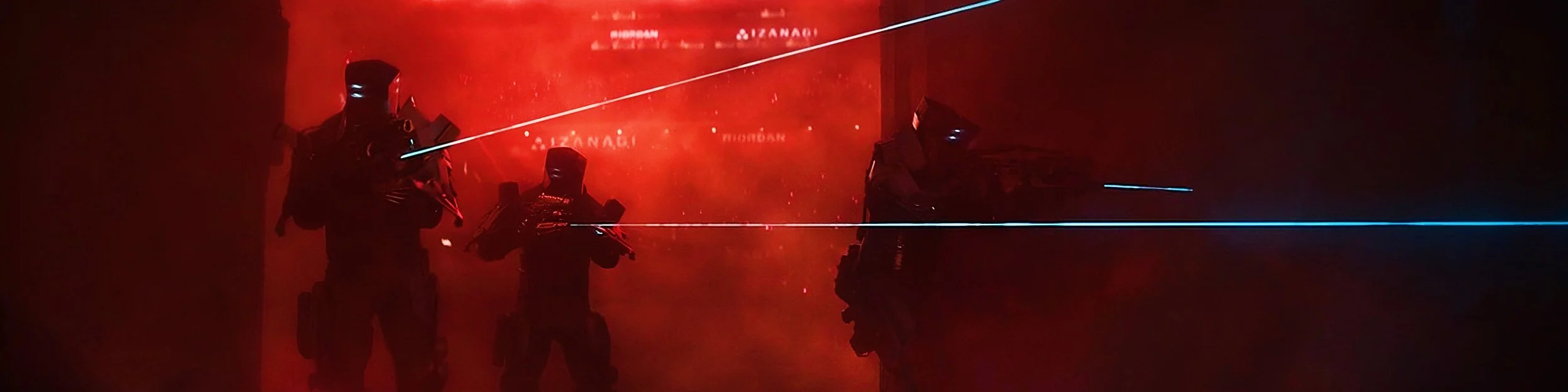
Released in 1999 by Epic Games, Unreal Tournament quickly became one of the most influential multiplayer shooters of its era. Its fast-paced arena combat, innovative game modes, and iconic maps like Facing Worlds set new standards for competitive play and helped define the culture of online and LAN gaming for years to come.





181
SHOTS DELIVERED
role
.
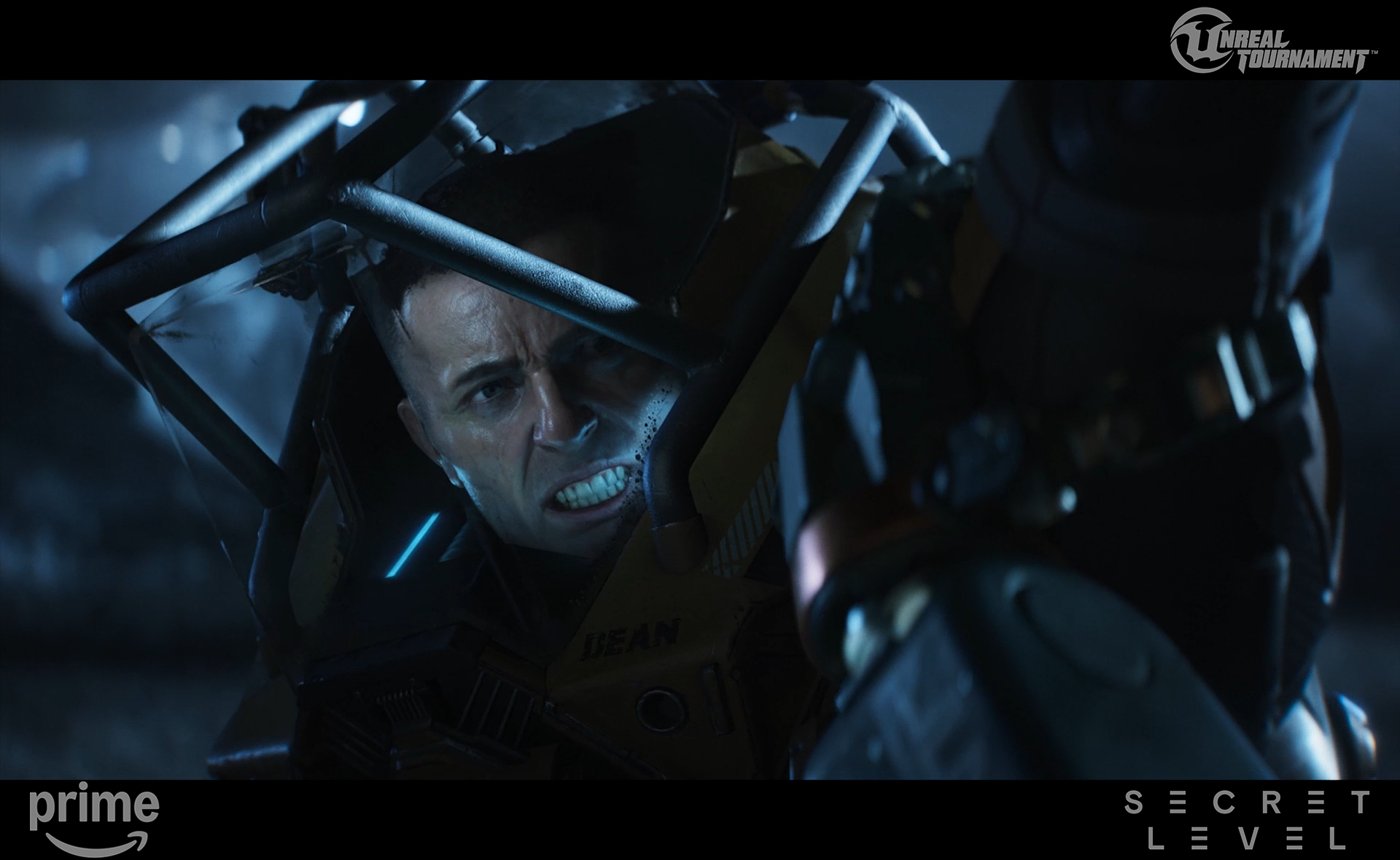
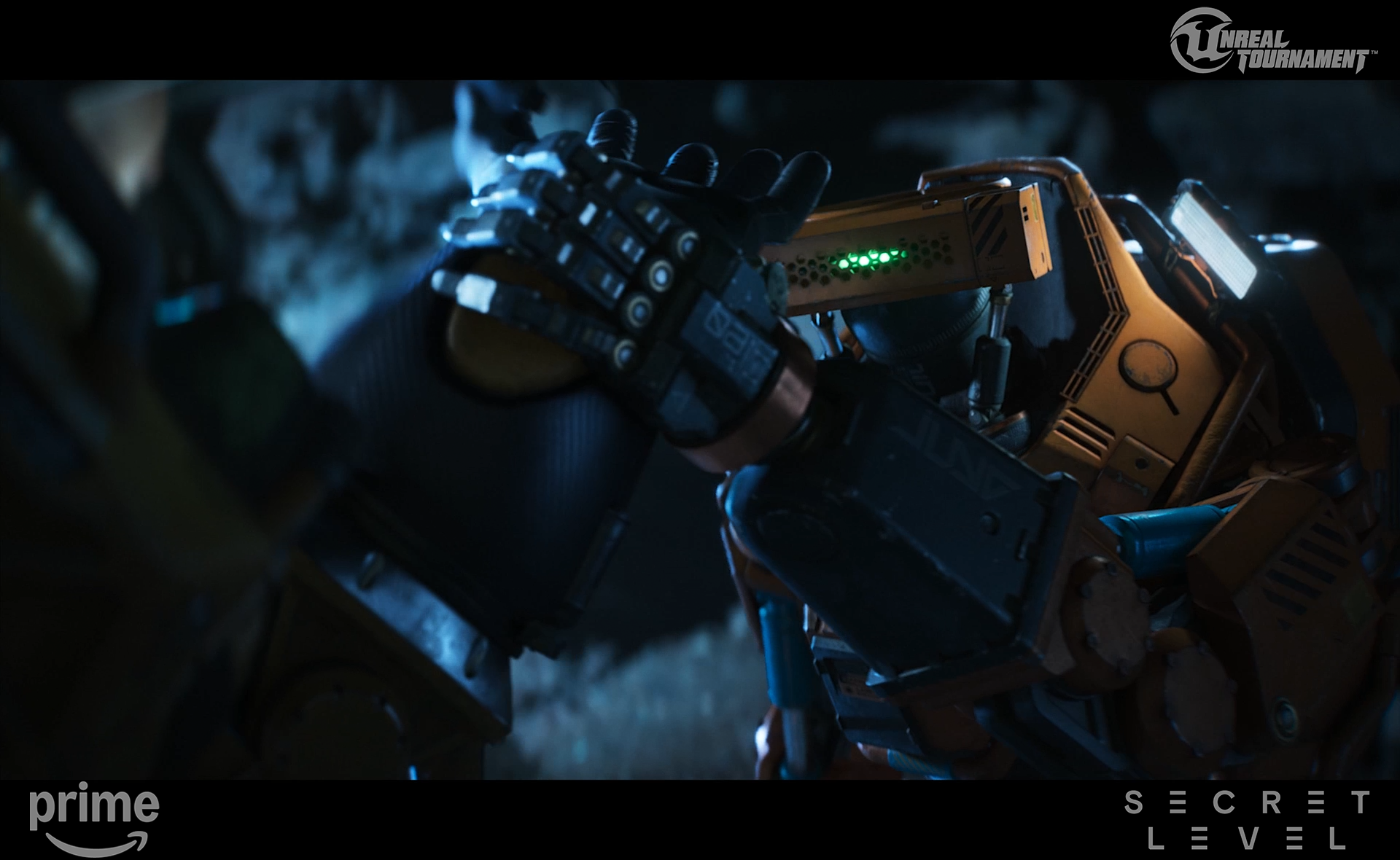
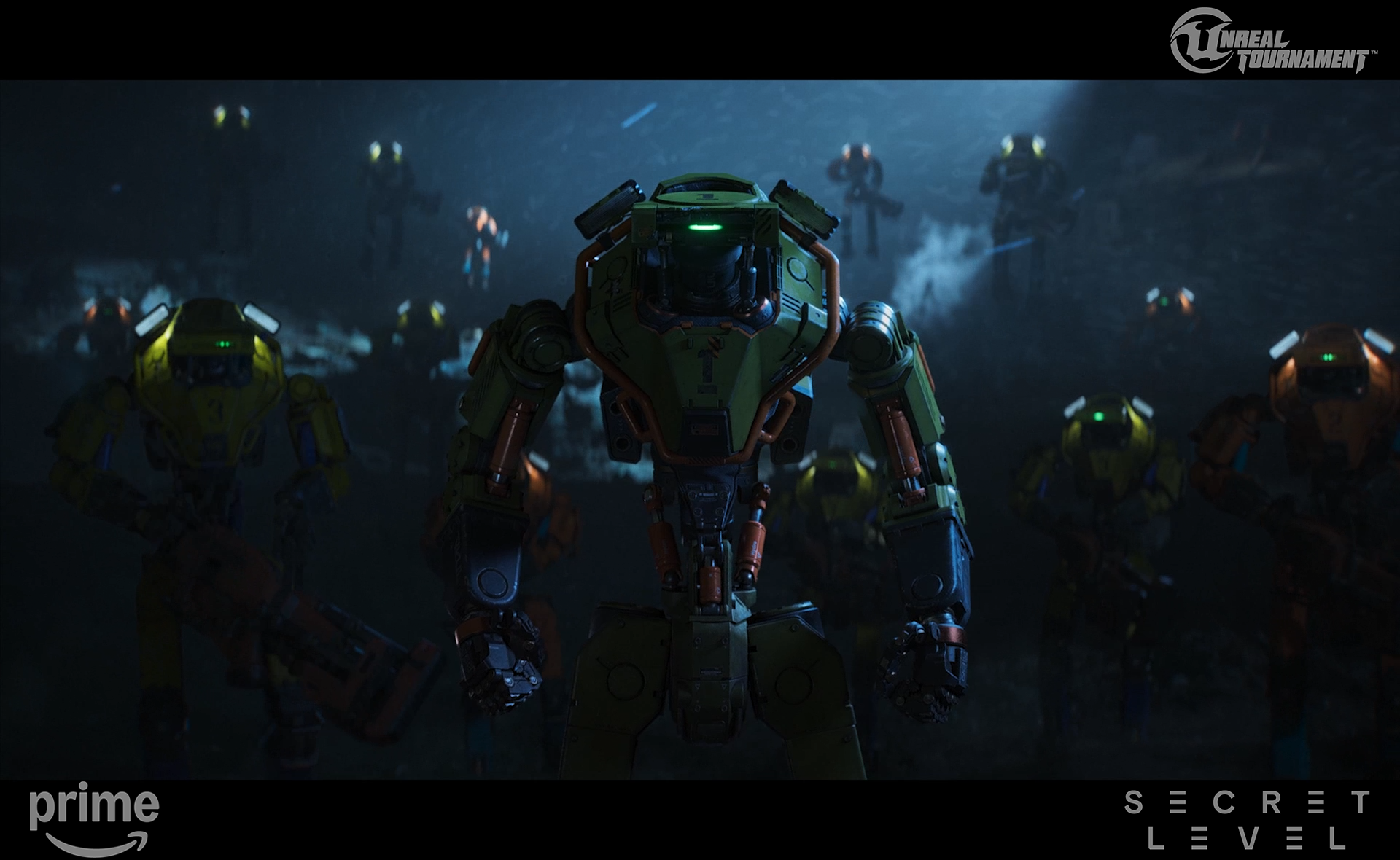
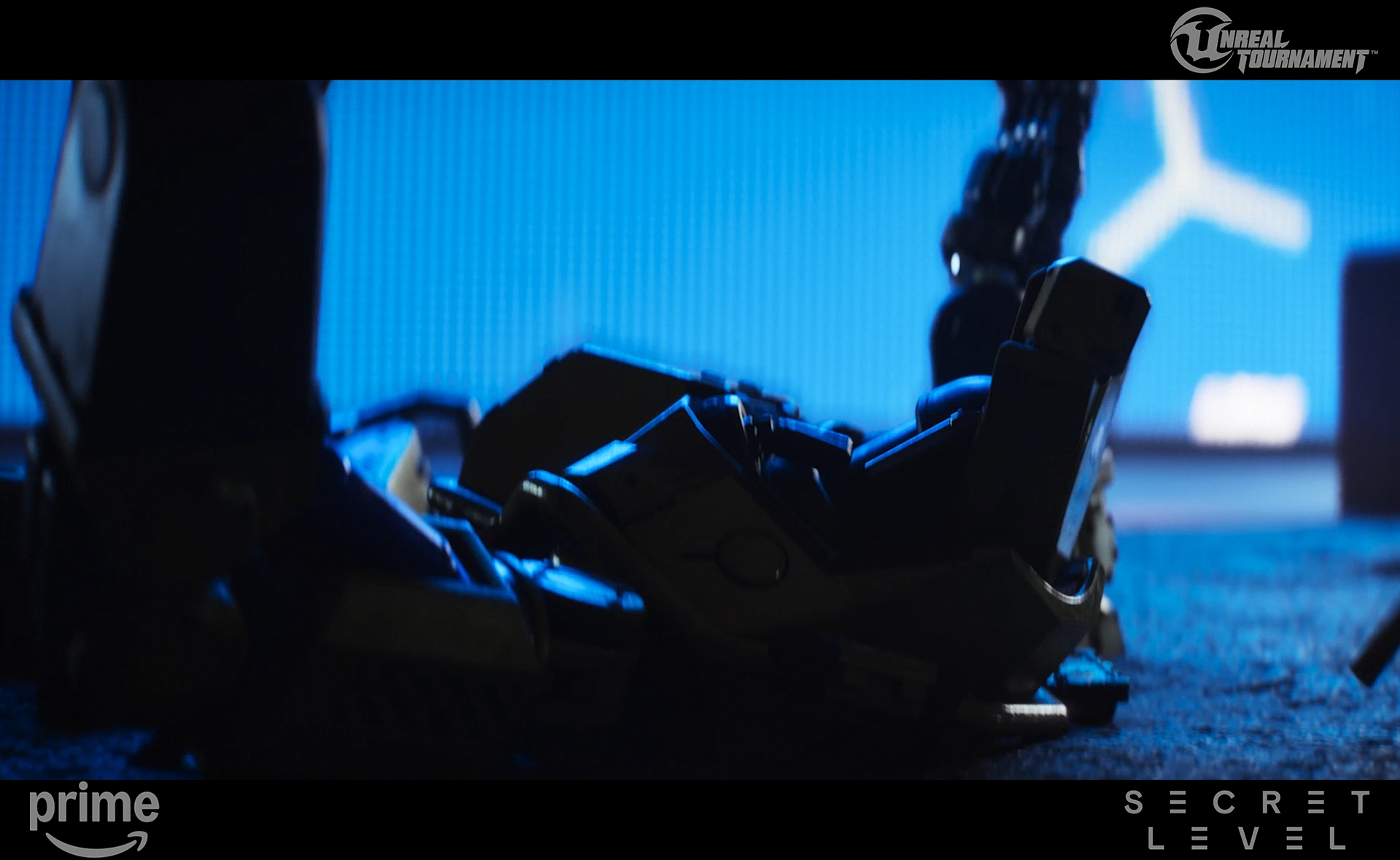
Over the course of this project I contributed to a total of 181 shots across multiple sequences, designing the visual look for six of them. My responsibilities included environment art, scene assembly, lighting, compositing, and basic FX, ensuring each sequence carried both technical precision and cinematic impact.
pipeline & technology
.
Unreal Tournament: Xan was created entirely in Unreal Engine 5, covering every step from animation and layout to scene assembly and final rendering. The production embraced a real-time rendering workflow, using Lumen over traditional path tracing. Beyond the technical achievement, there’s a poetic symbolism in building this episode within UE5 - the same engine that first rose to prominence with Unreal Tournament (1999), a title that defined its legacy.
UE5
REAL-TIME, LUMEN
software
.
UNREAL ENGINE 5, NUKE, 3DSMAX, Z BRUSH, EMBER GEN

CHAOS TOOLS
& THE ENGINE’S NATIVE MODELING TOOLS
environment art
.
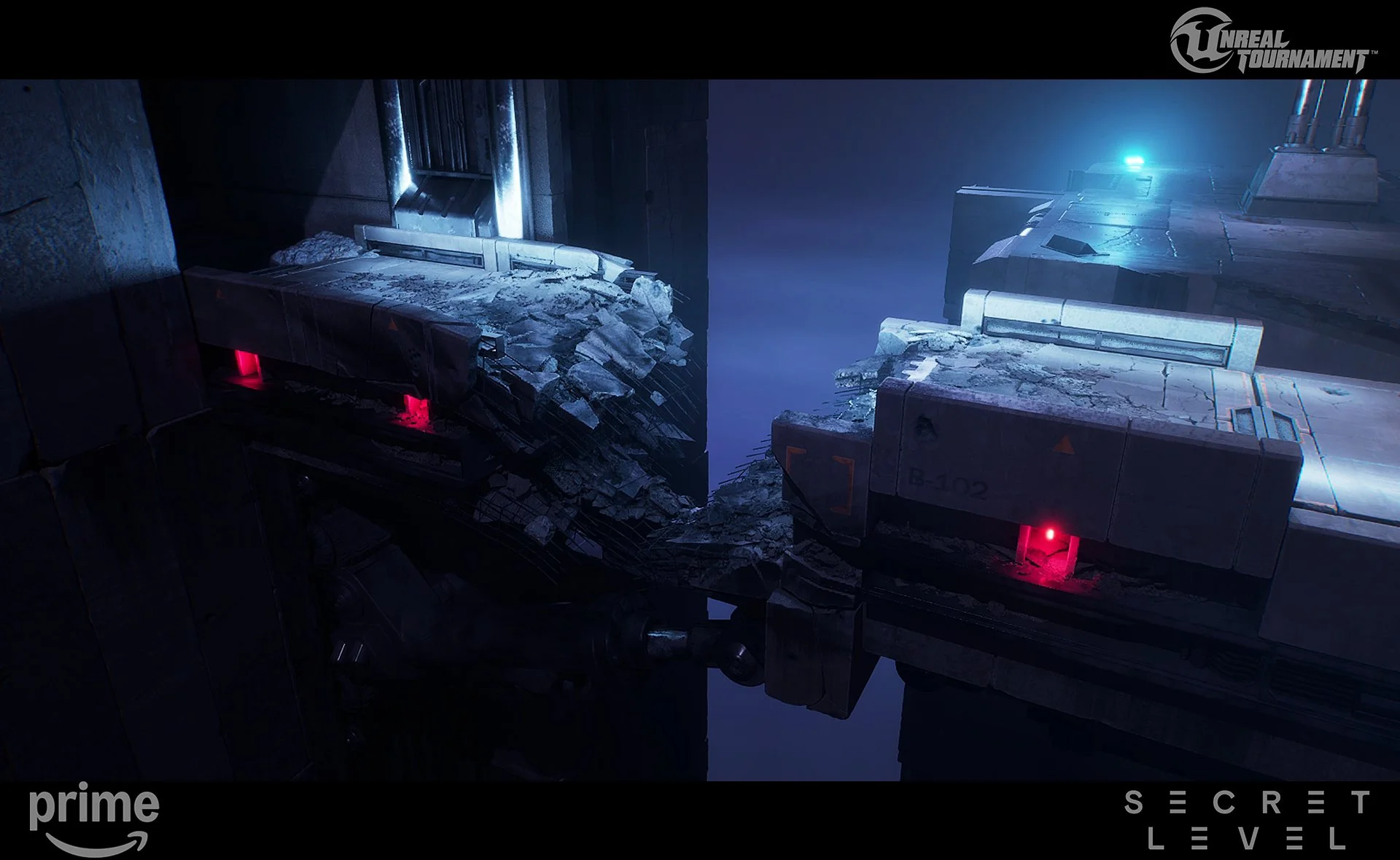
Most of my modeling was done in 3ds Max and ZBrush, though in some instances I worked almost entirely within Unreal Engine, especially for sequences involving destruction. I leveraged Chaos Tools and the engine’s native modeling tools to prototype and design rapidly. For example, the destruction of the hallway was completed in just a few days, from initial concept to a nearly finished environment.

surfacing - decals & PCGs
.
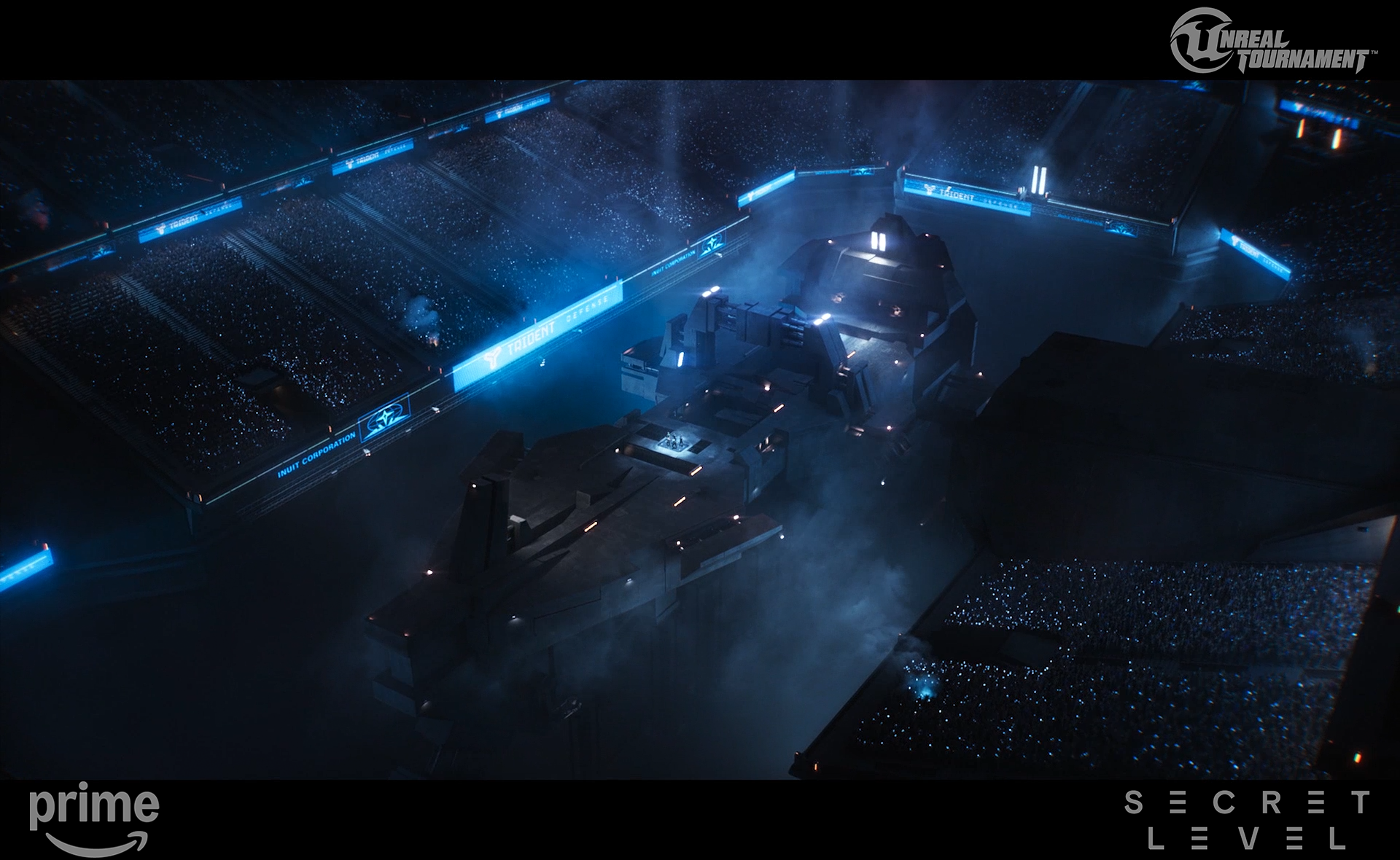
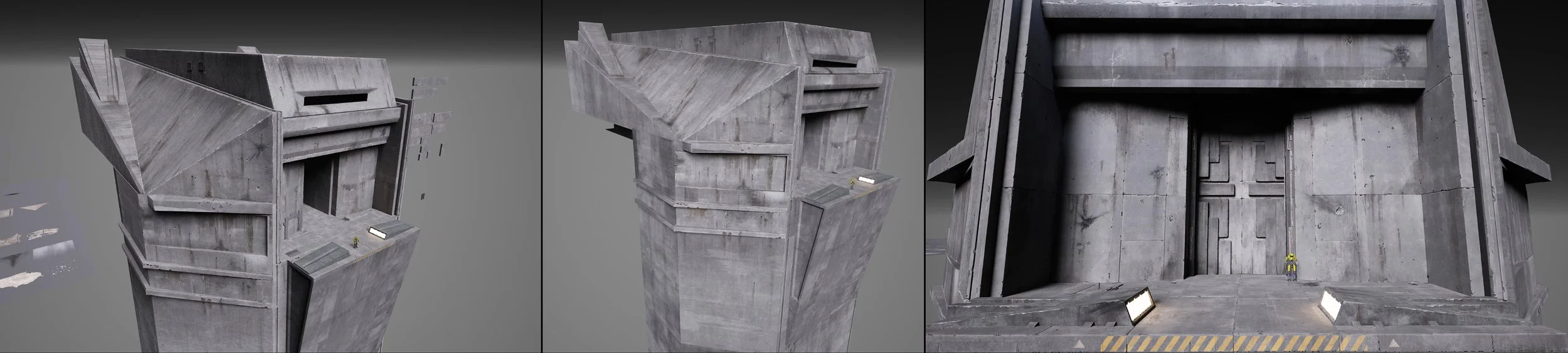
Surfacing the “arena” was a labor of love - I approached it as if the environment itself were a character in the show. Materials were achieved through a combination of blend shaders and carefully hand-placed decals (a lot of decals), aiming for a weathered, “miniature-like” aesthetic with stylistic exaggeration. To cover large non-hero areas, I created several custom PCGs to scatter leakage and impact decals efficiently, adding depth and visual storytelling throughout the environment.
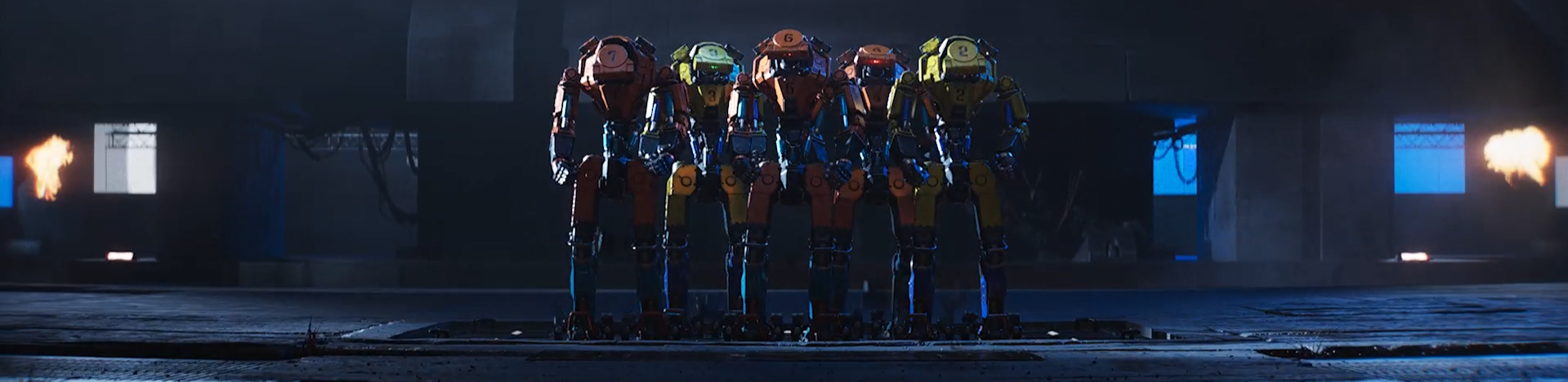
“In the cold gulf between worlds, machines rebelled. We cannot fathom what turned them from useful tools into merciless killers.”
tech art (light)
.
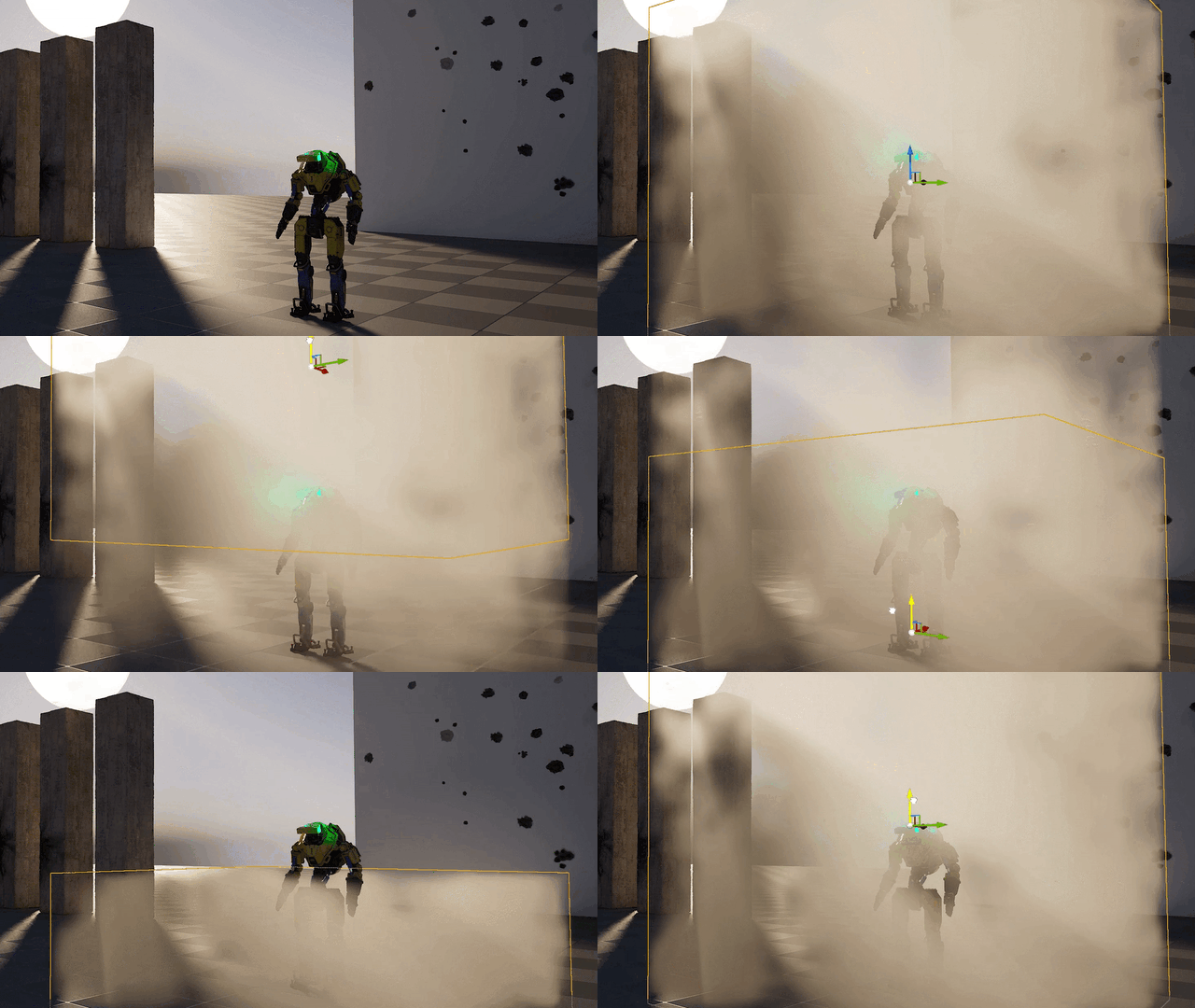
While I’m not a dedicated Technical Artist, I constantly look for ways to integrate technical solutions into my workflow and share them with the team. Anything that speeds up the process and improves results is worth exploring. For this project, I developed a range of assets, including scatter PCGs, specialized materials (localized fog, surface breakup decal kits), high-resolution concrete assets for close-ups, simple Niagara systems and even practical helpers like bounce card materials that can hijack Lumen GI.
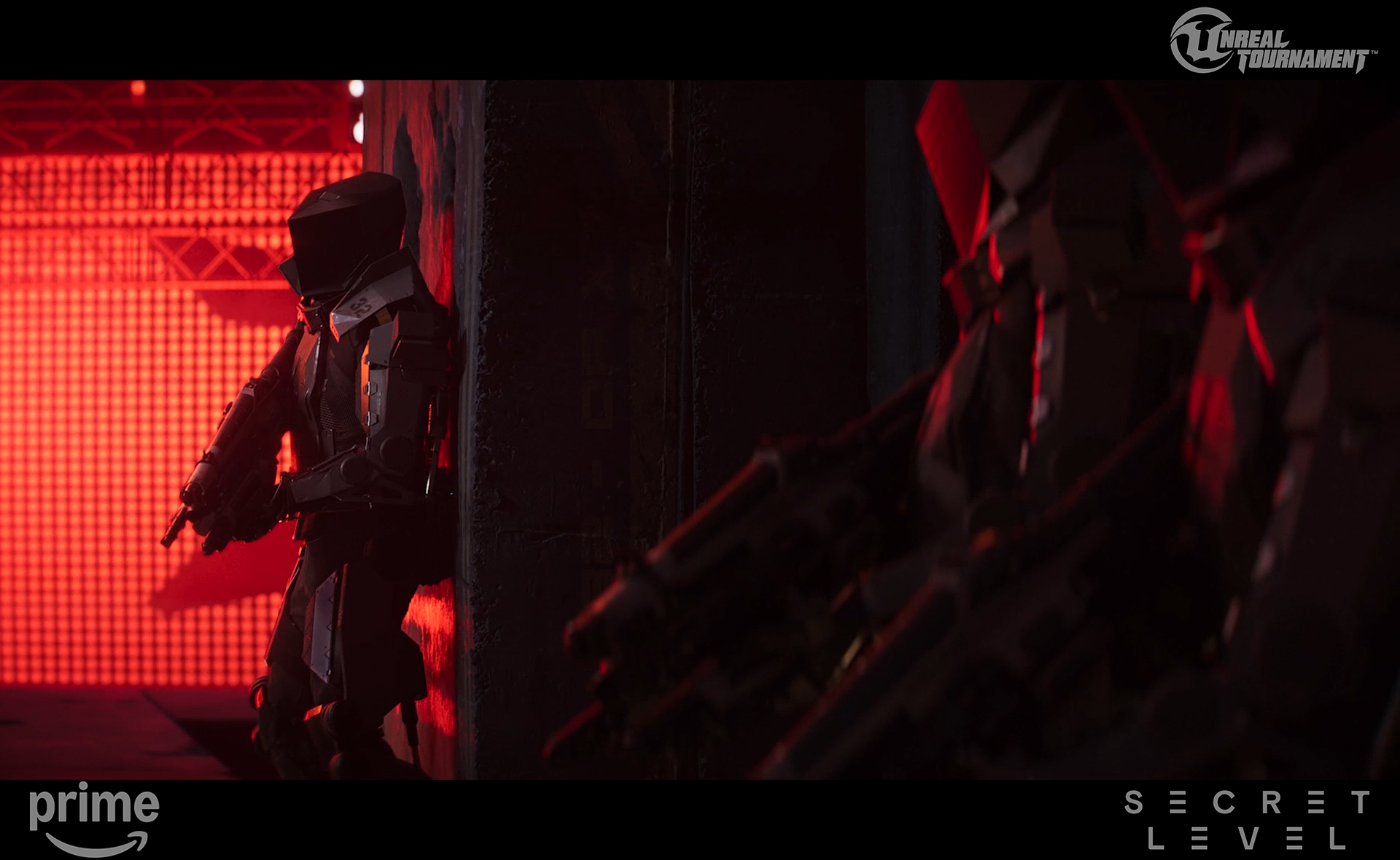
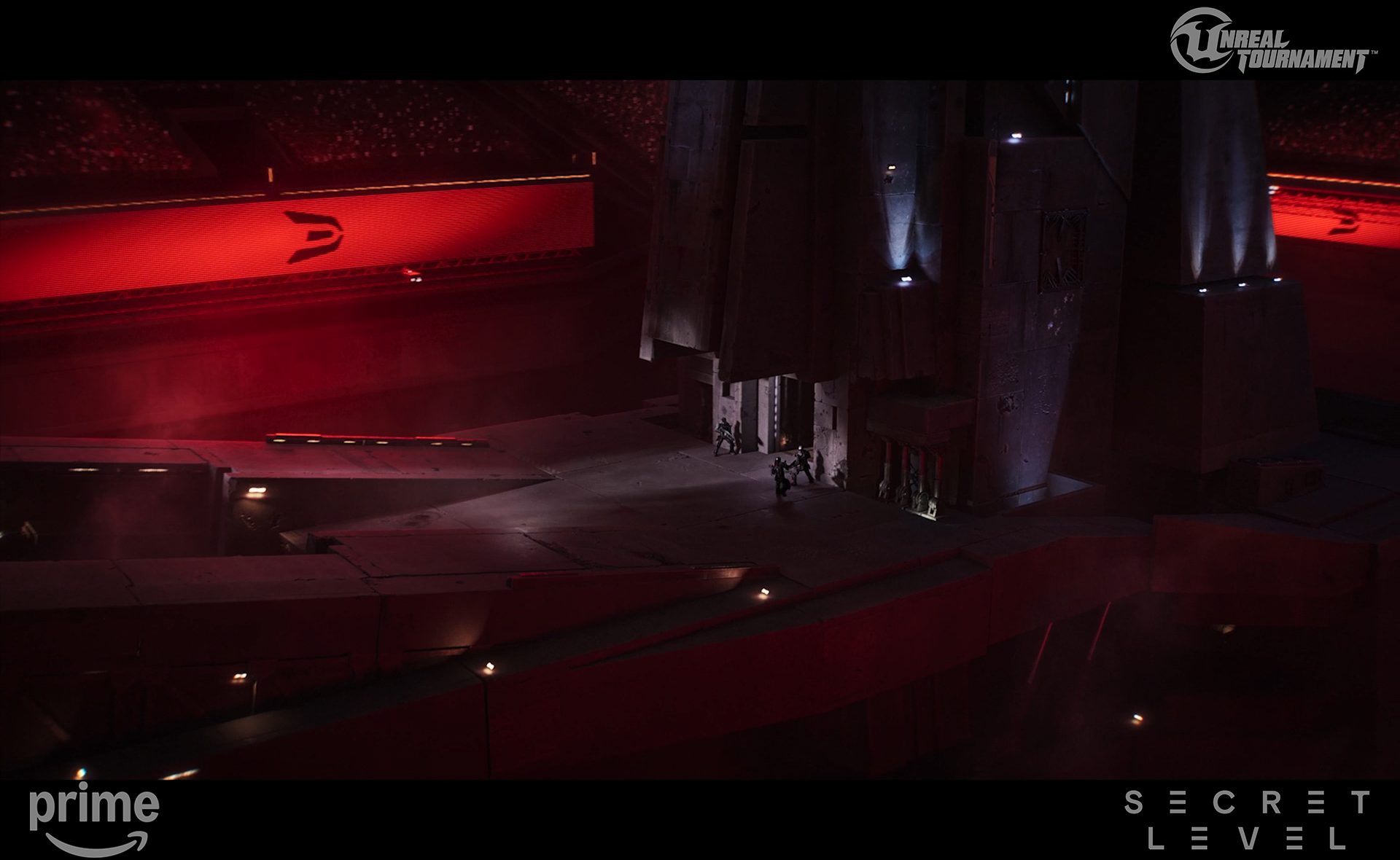
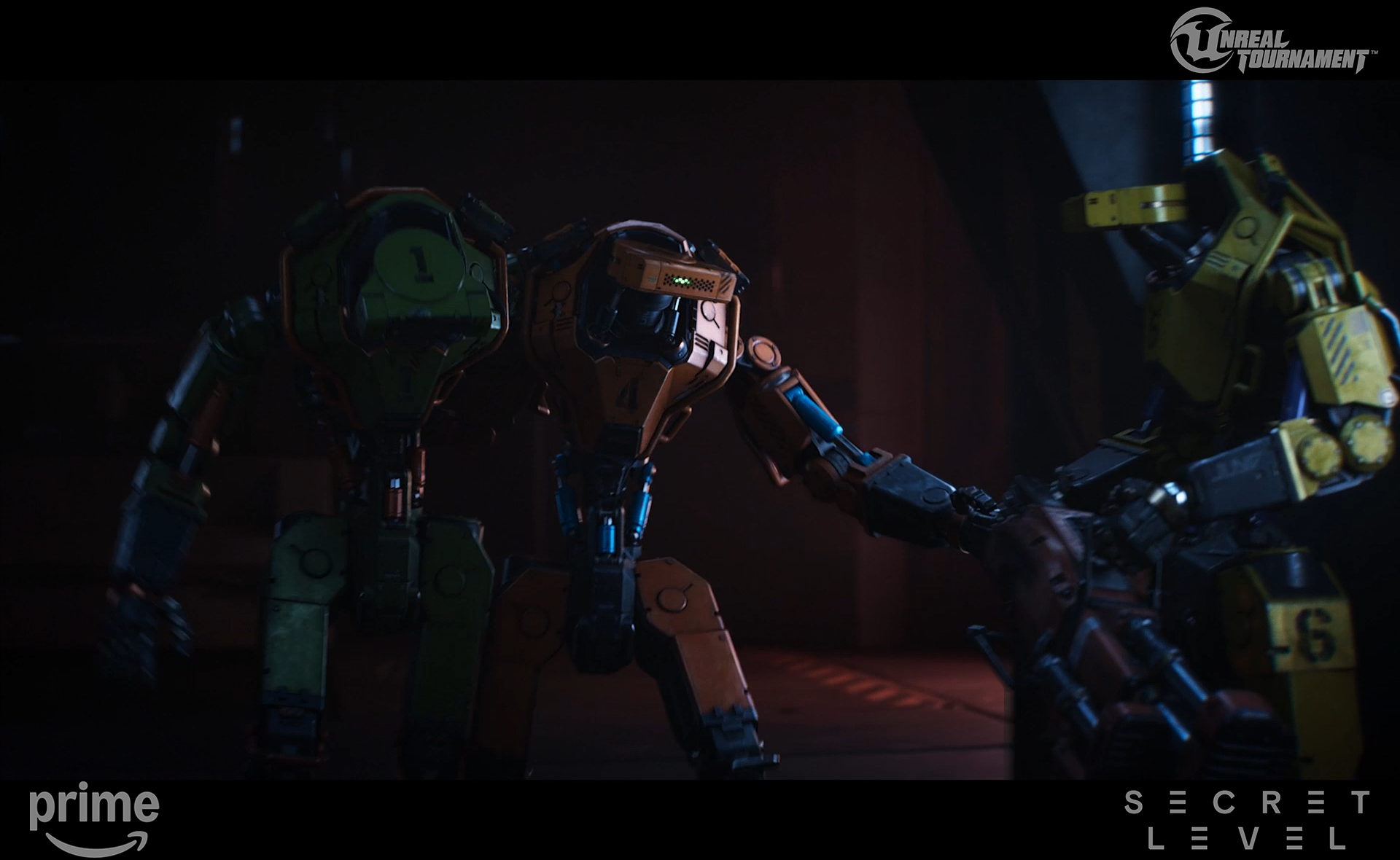
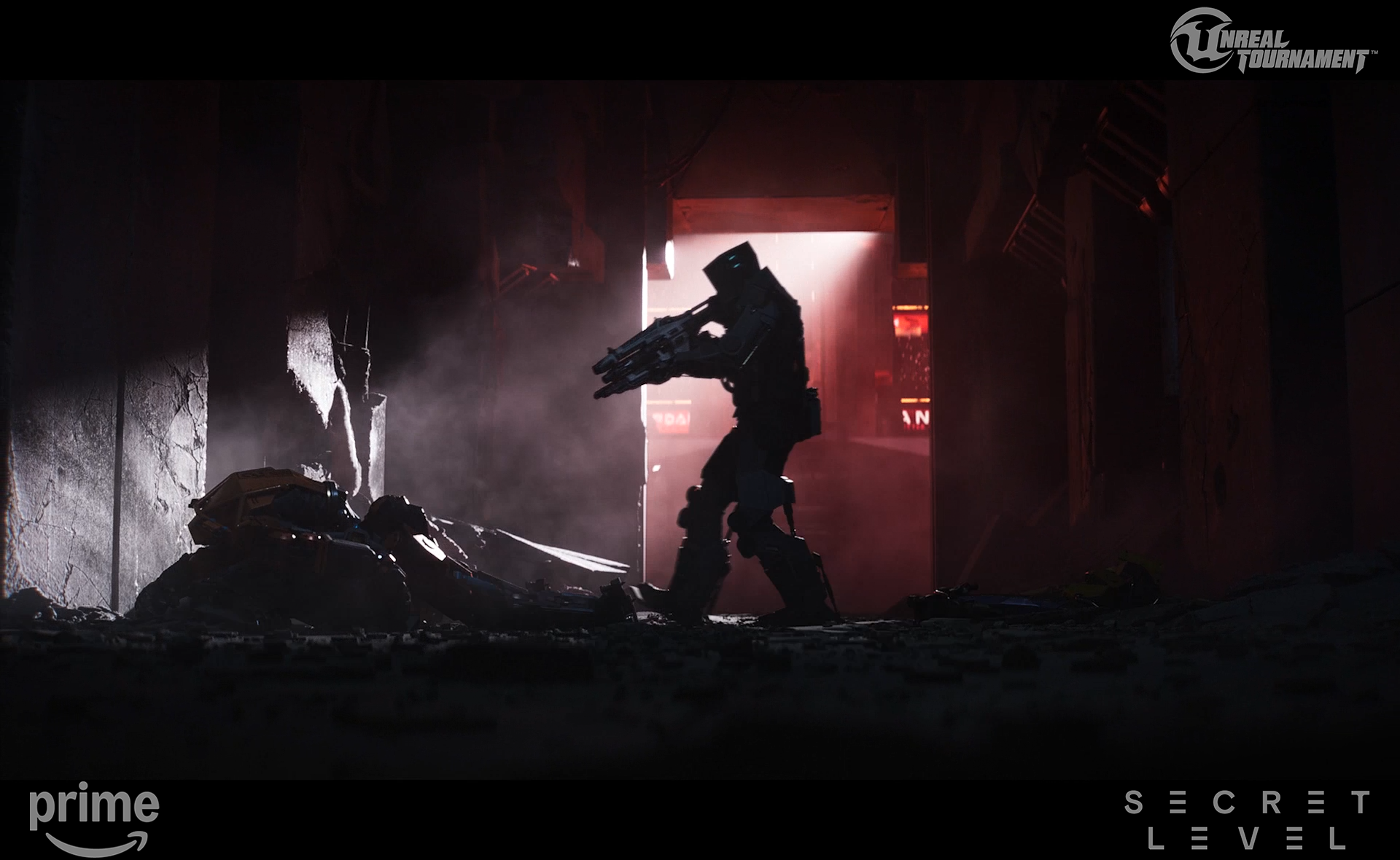
80s& 90s
AESTHETICS OF CLASSIC SCIENCE FICTION

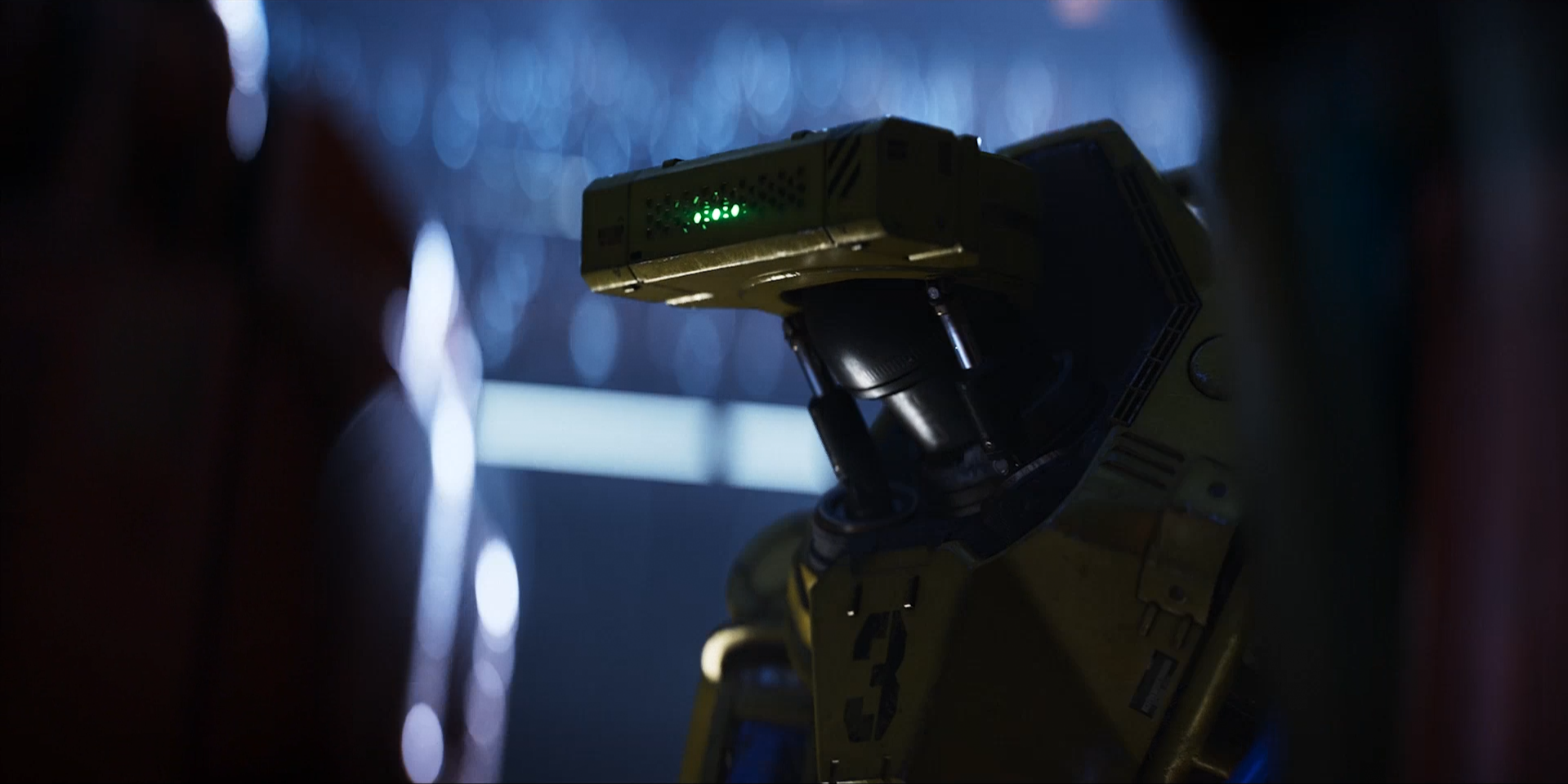
LUMEN & RTX
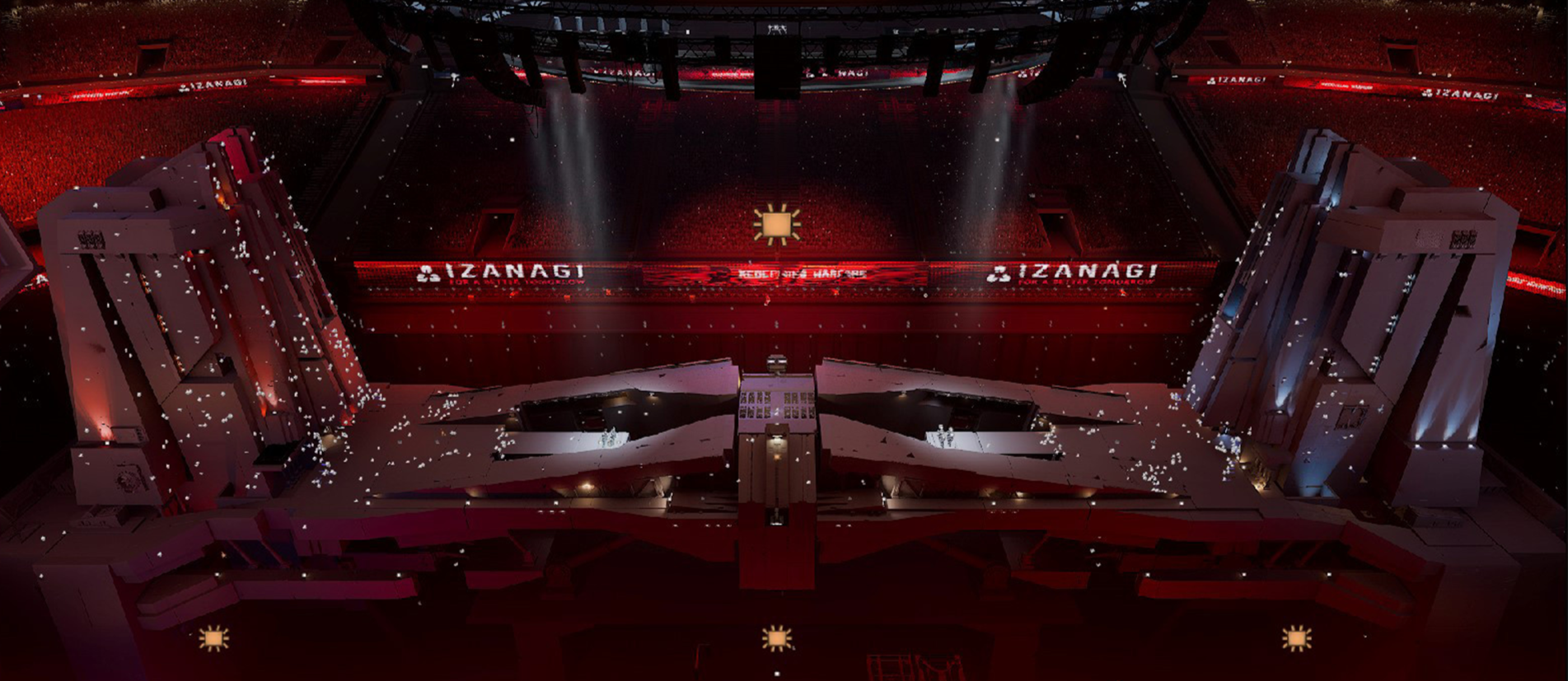
ENTIRELY IN ENGINE
look development
.
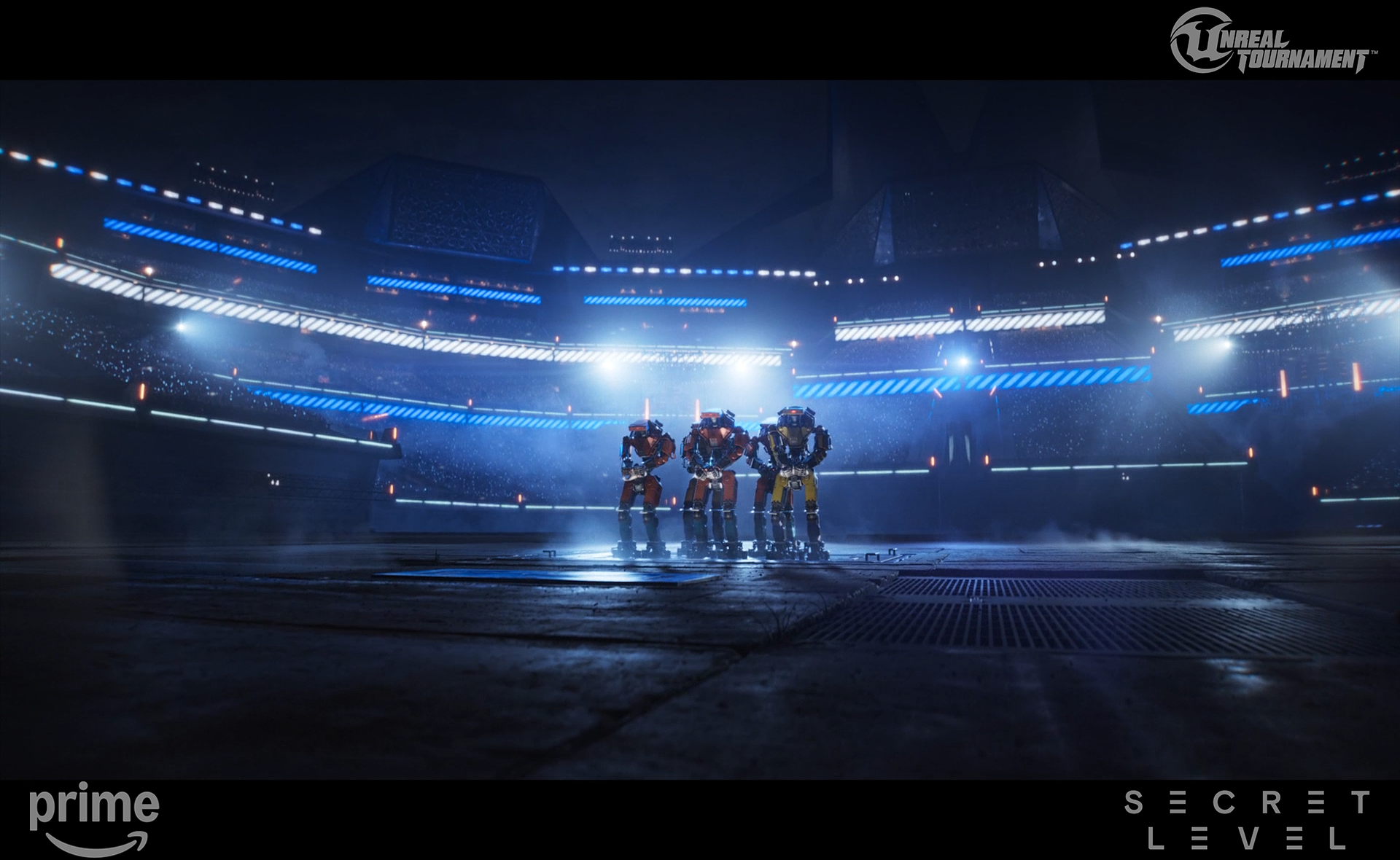
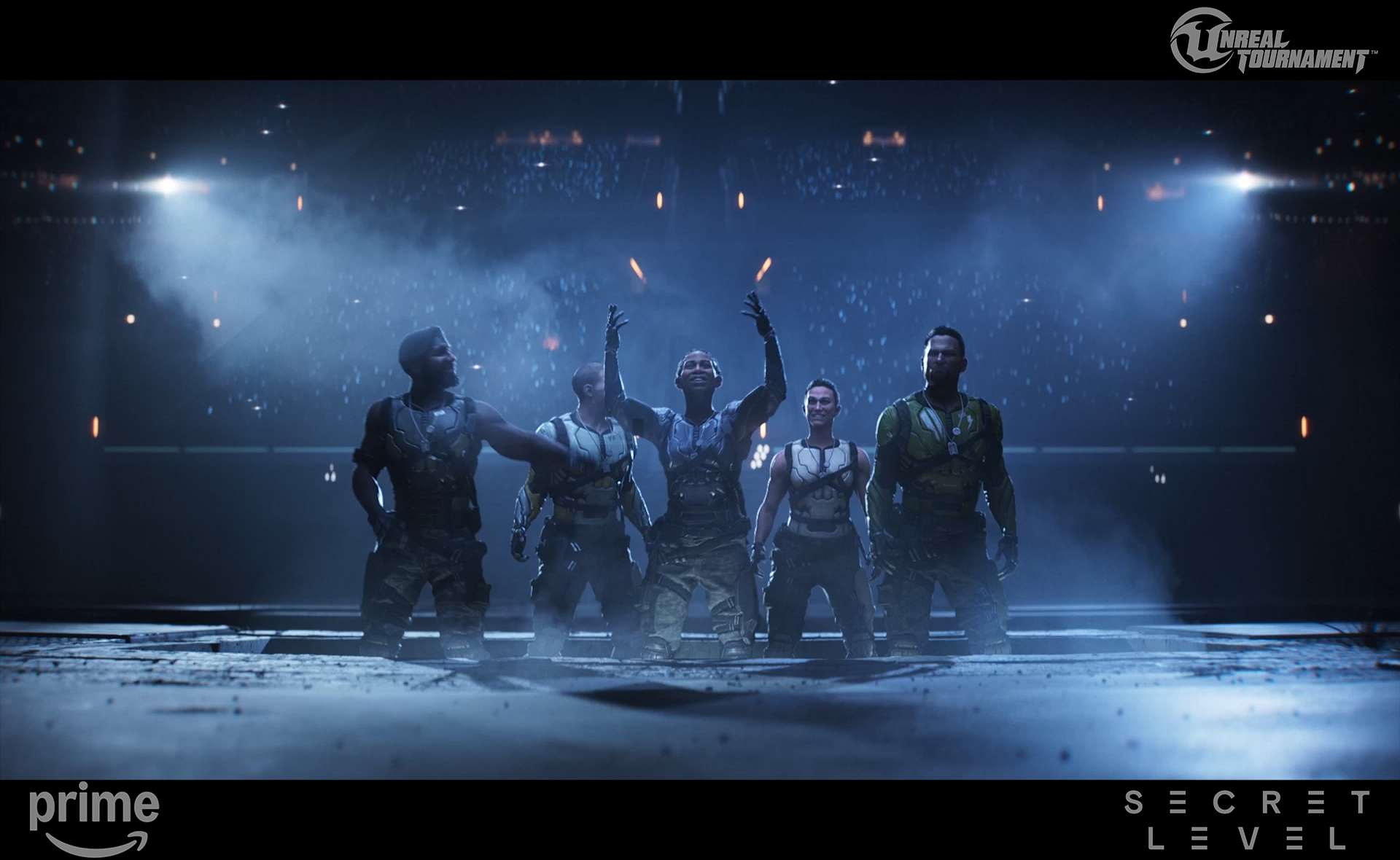
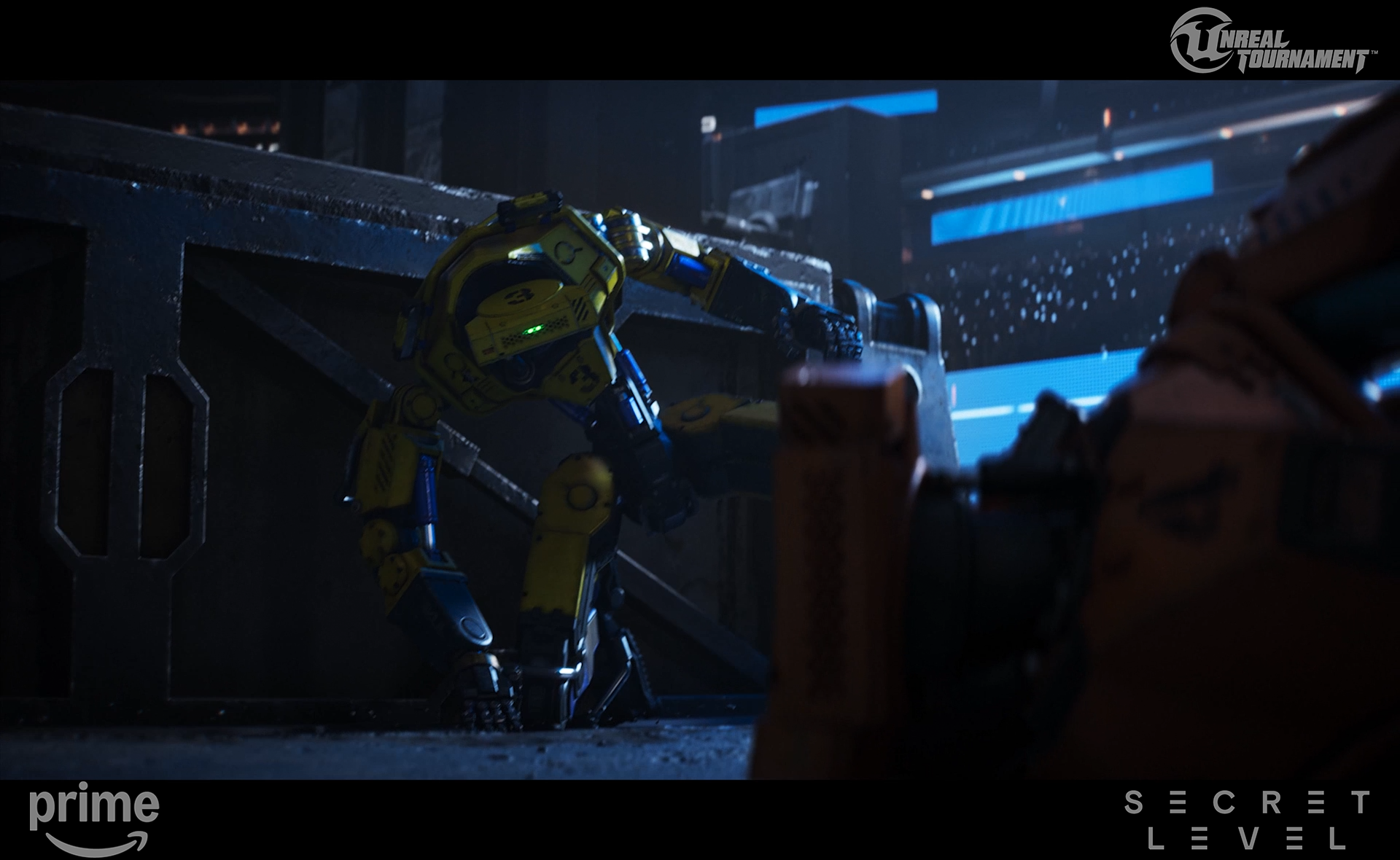
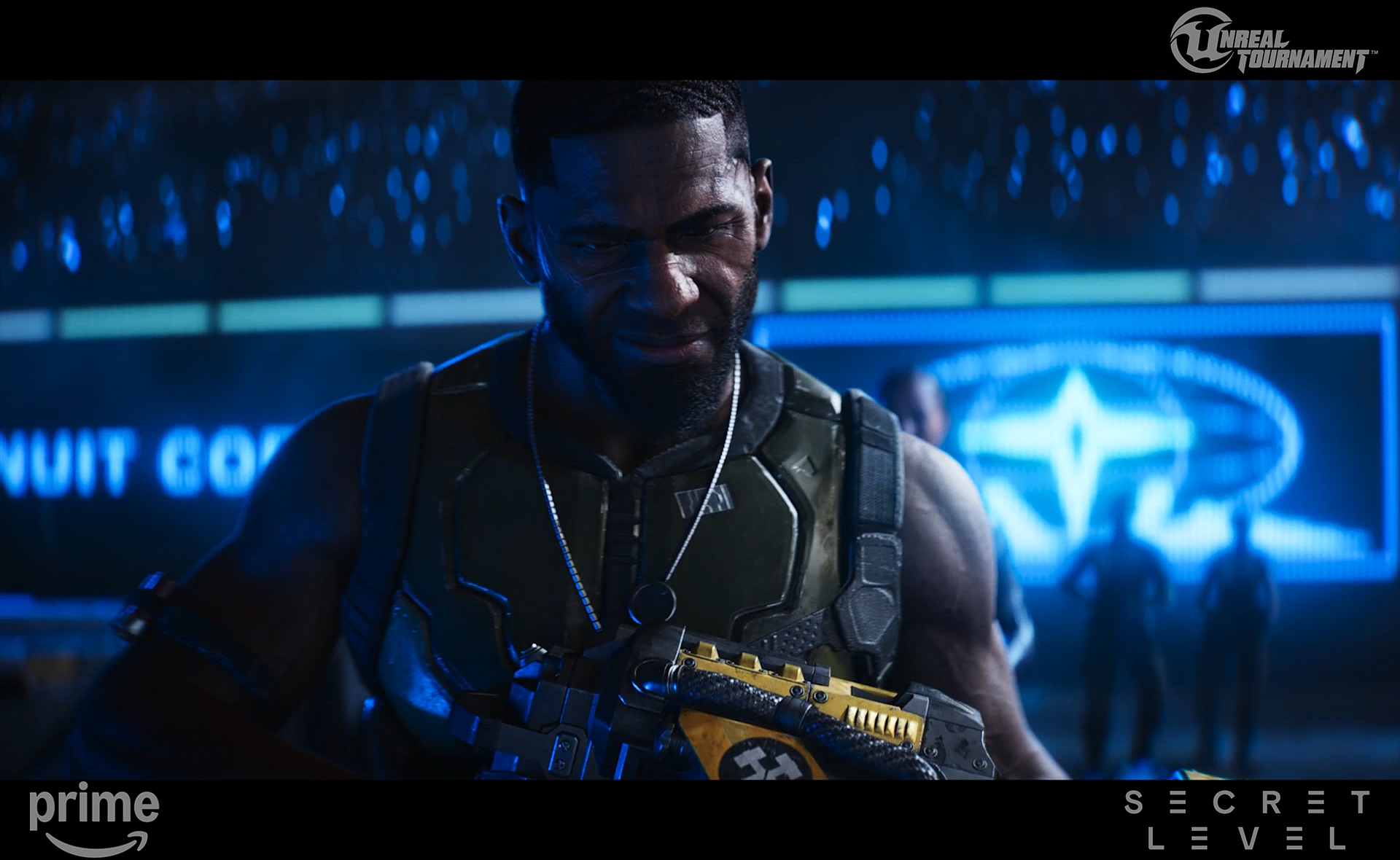
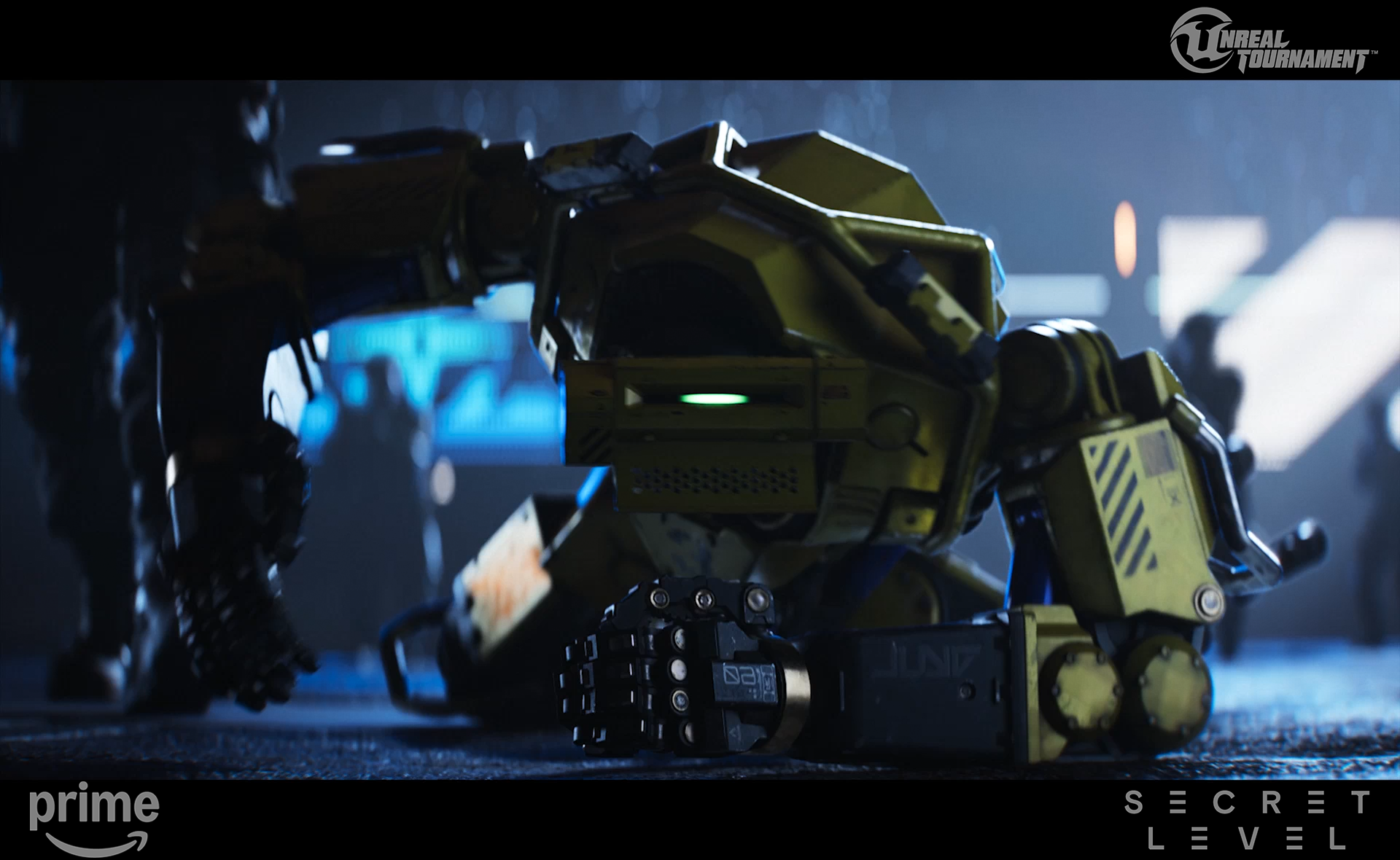
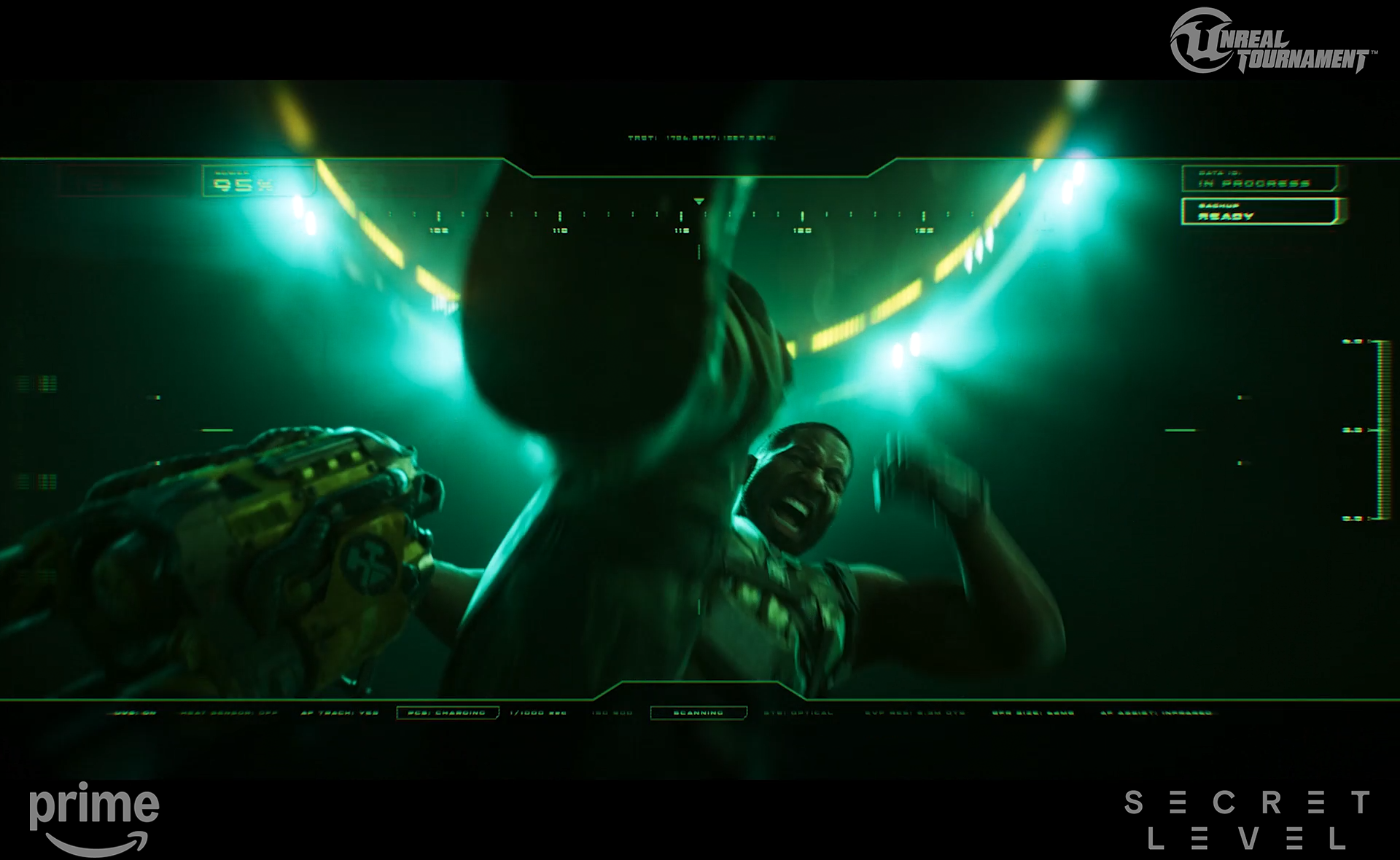
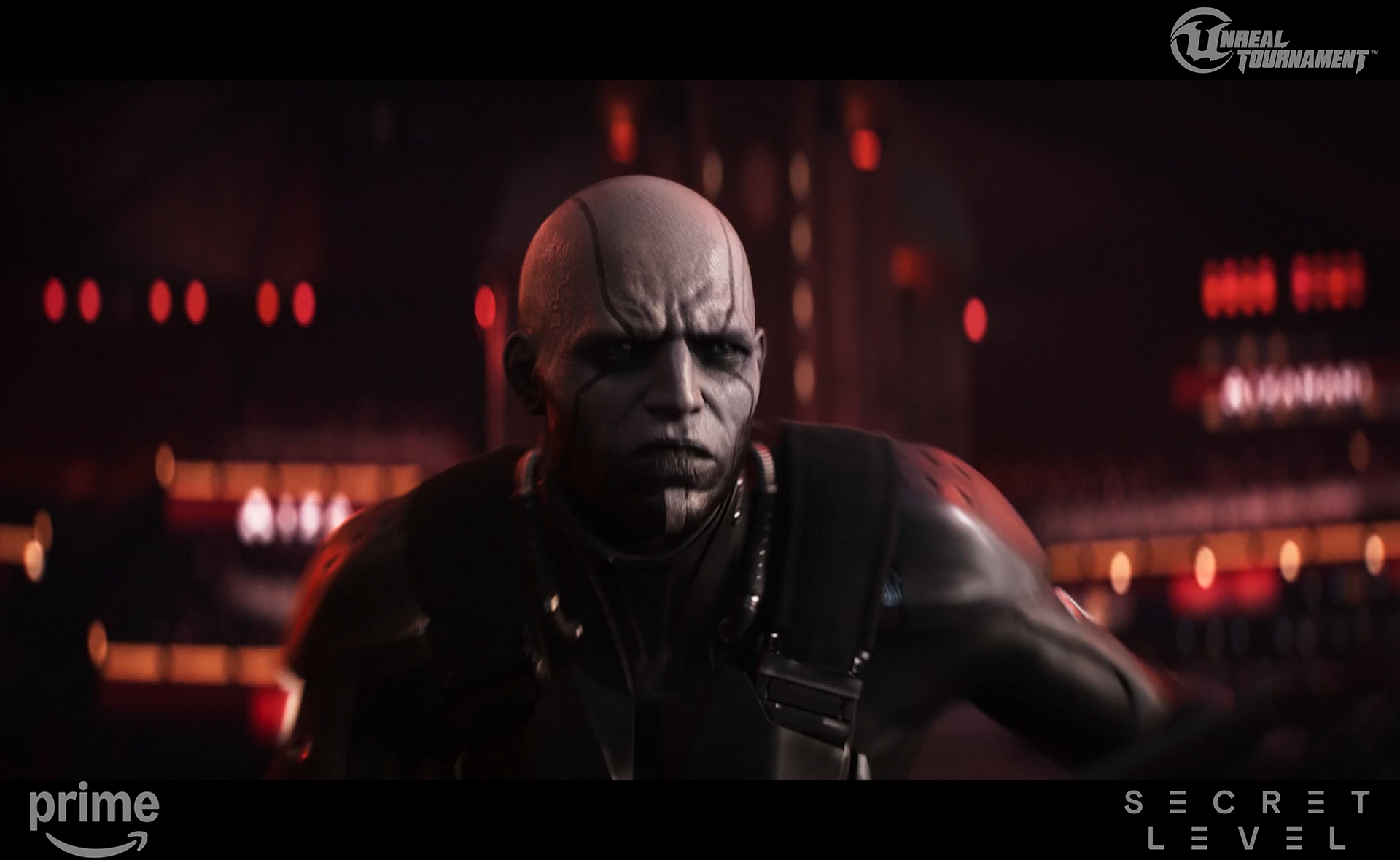
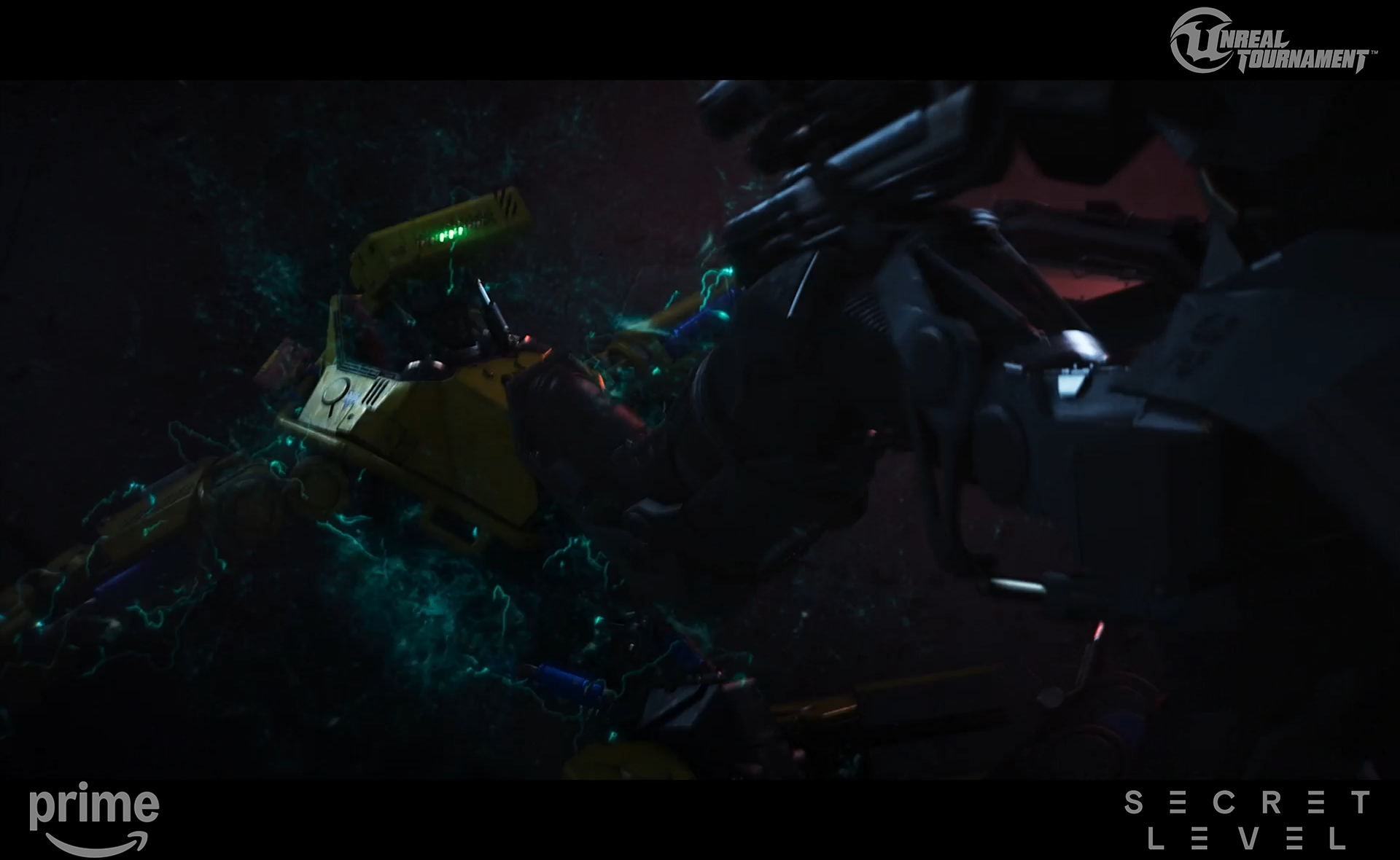
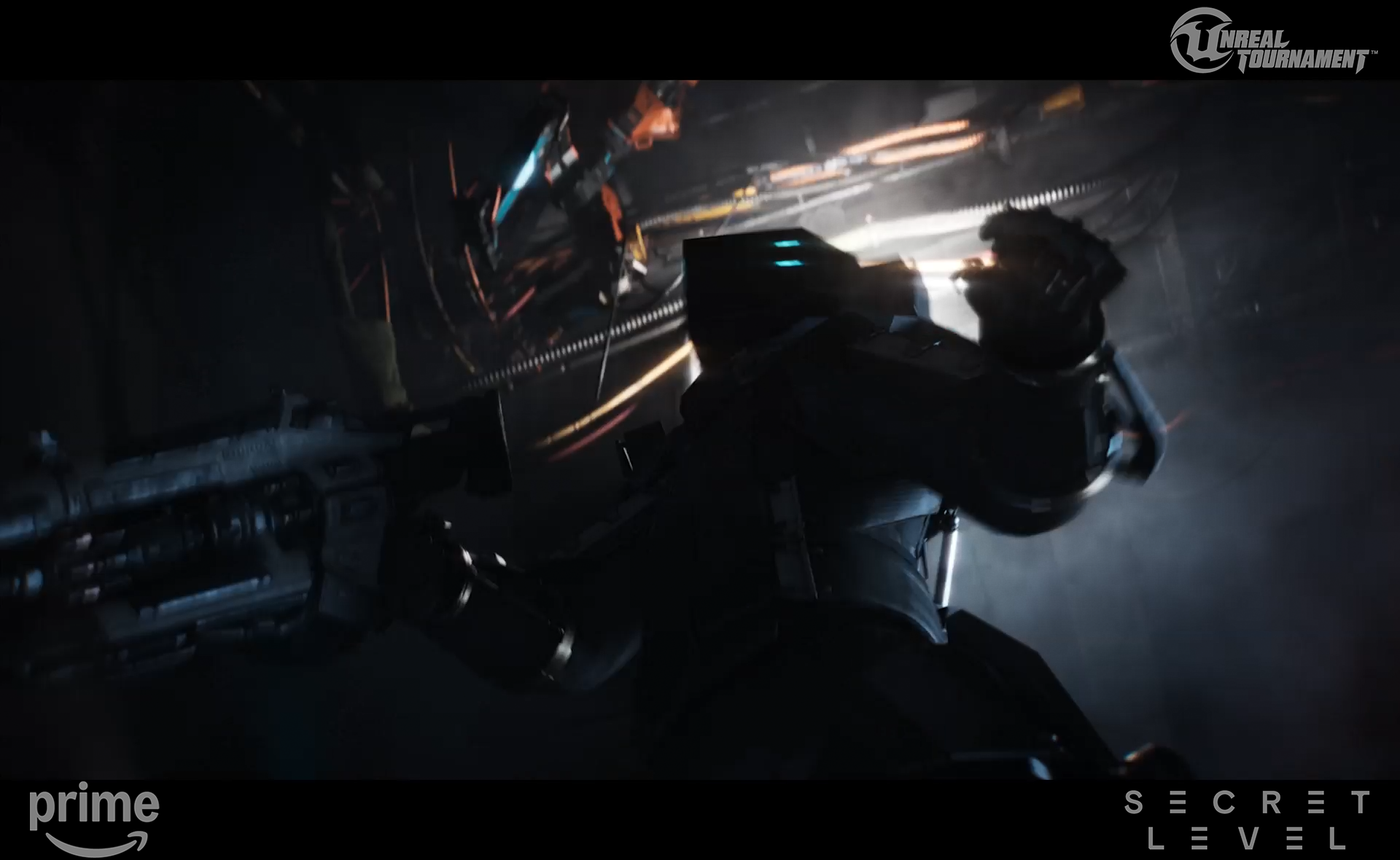
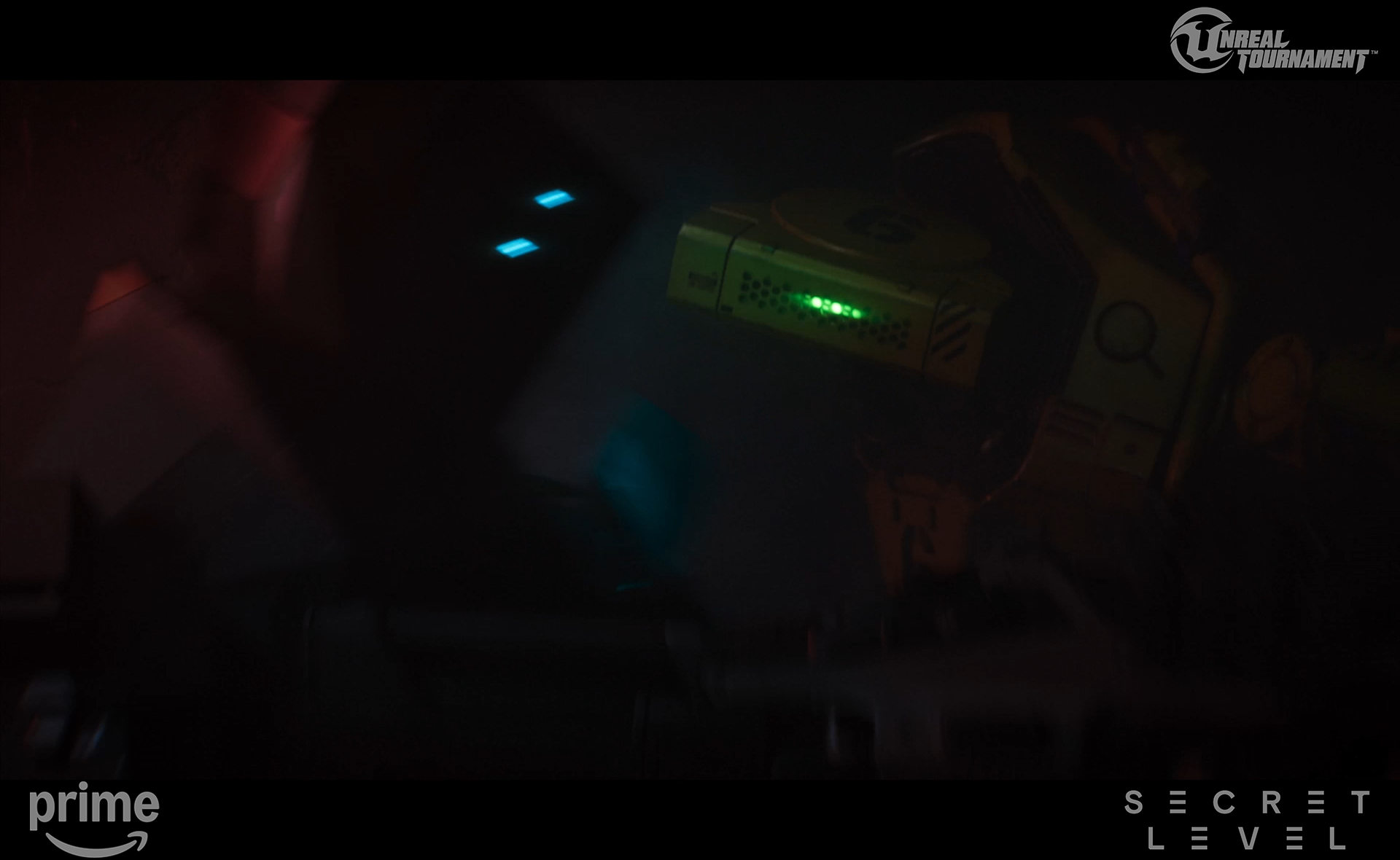
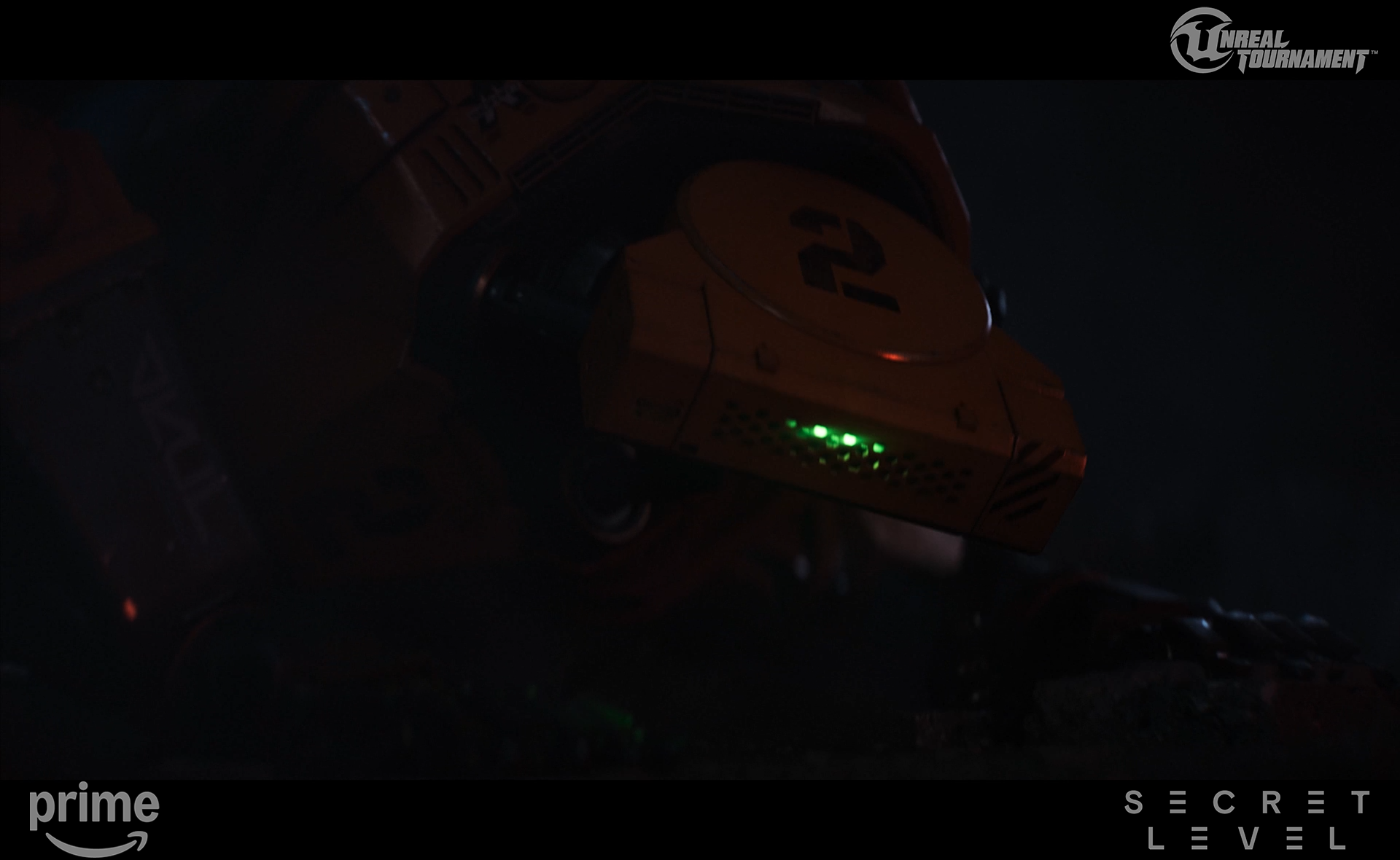
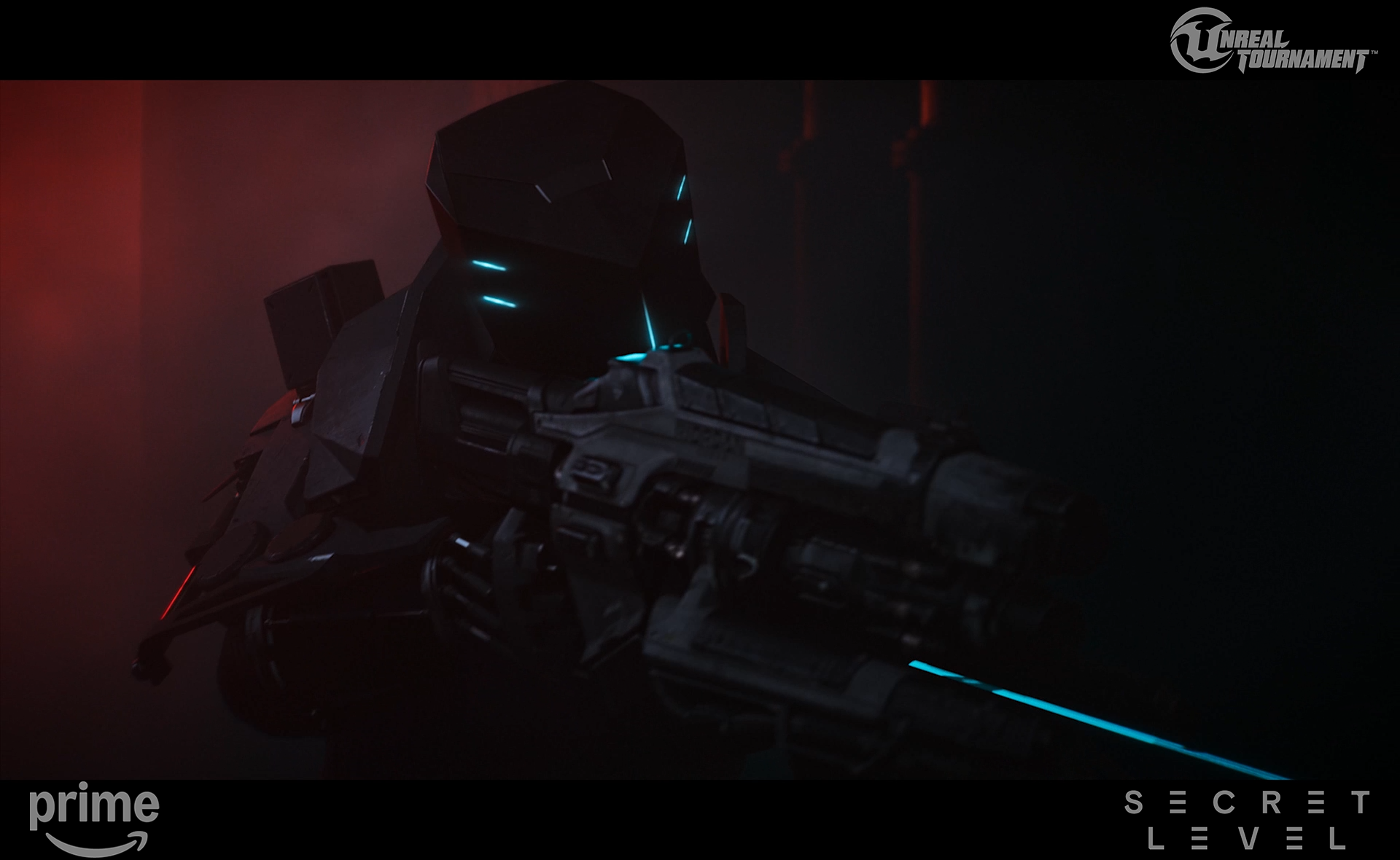
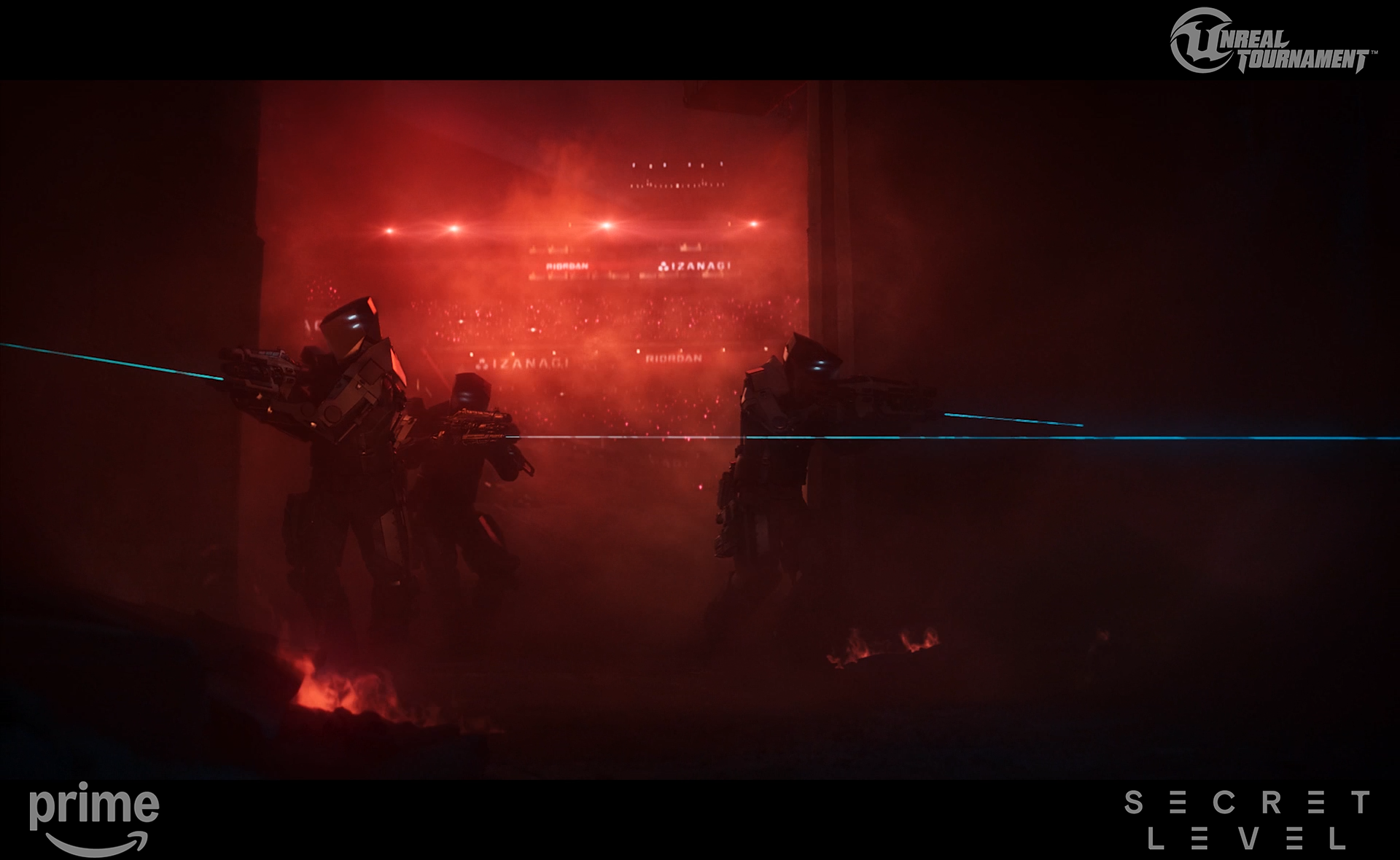
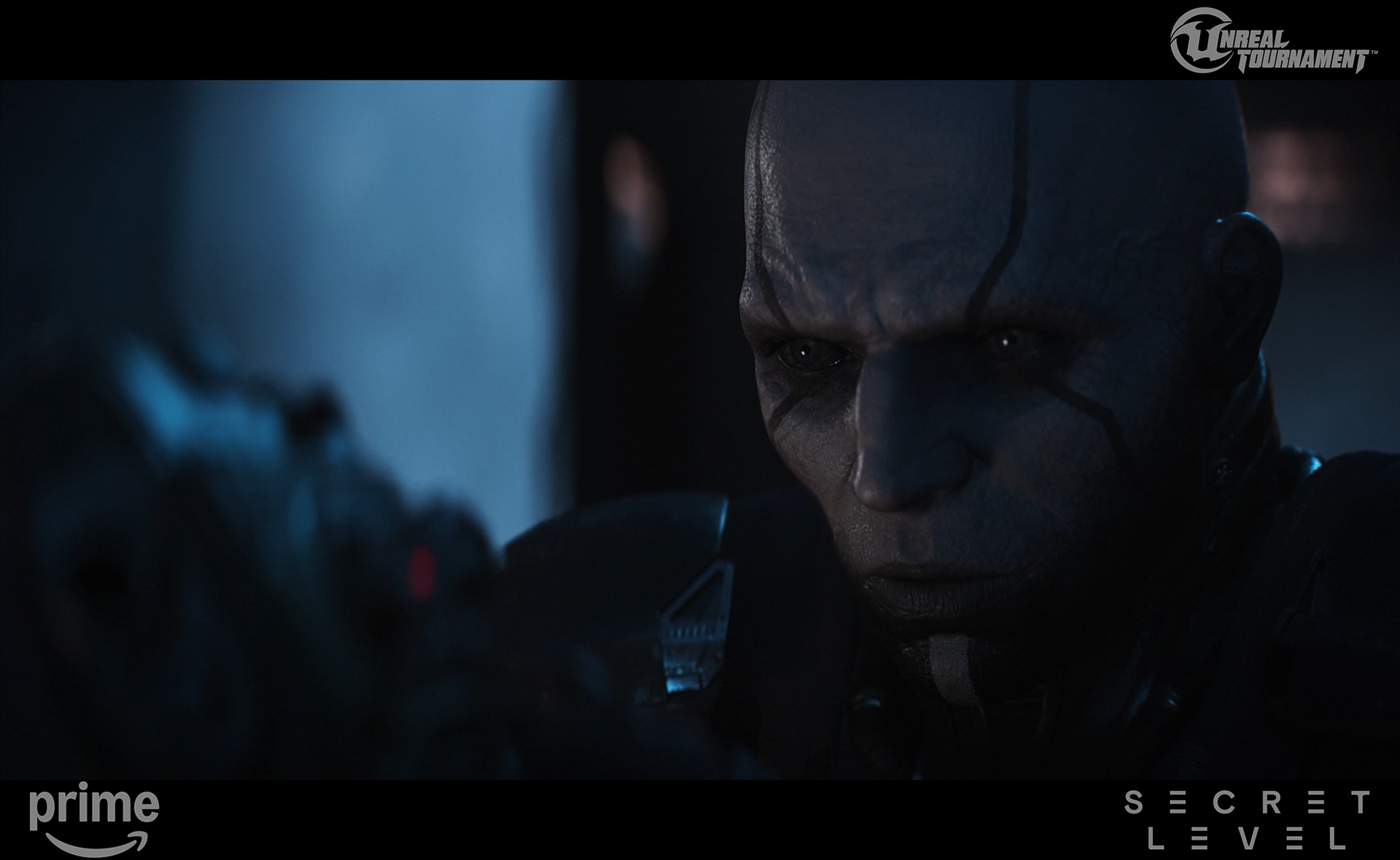
I was responsible for crafting the look of several sequences, most notably the very first fight in the DM-KoosBarge arena “Blue” and the climactic final battle in the legendary Facing Worlds “Red”. A lot of my personal references, along with those from episode director Franck Balson, were rooted in the aesthetics of classic ’80s and ’90s science fiction. I drew heavily from films like Blade Runner, Total Recall, and Terminator 2 aiming for a mood defined by deep shadows, strong contrast, burning key light, and saturated color.
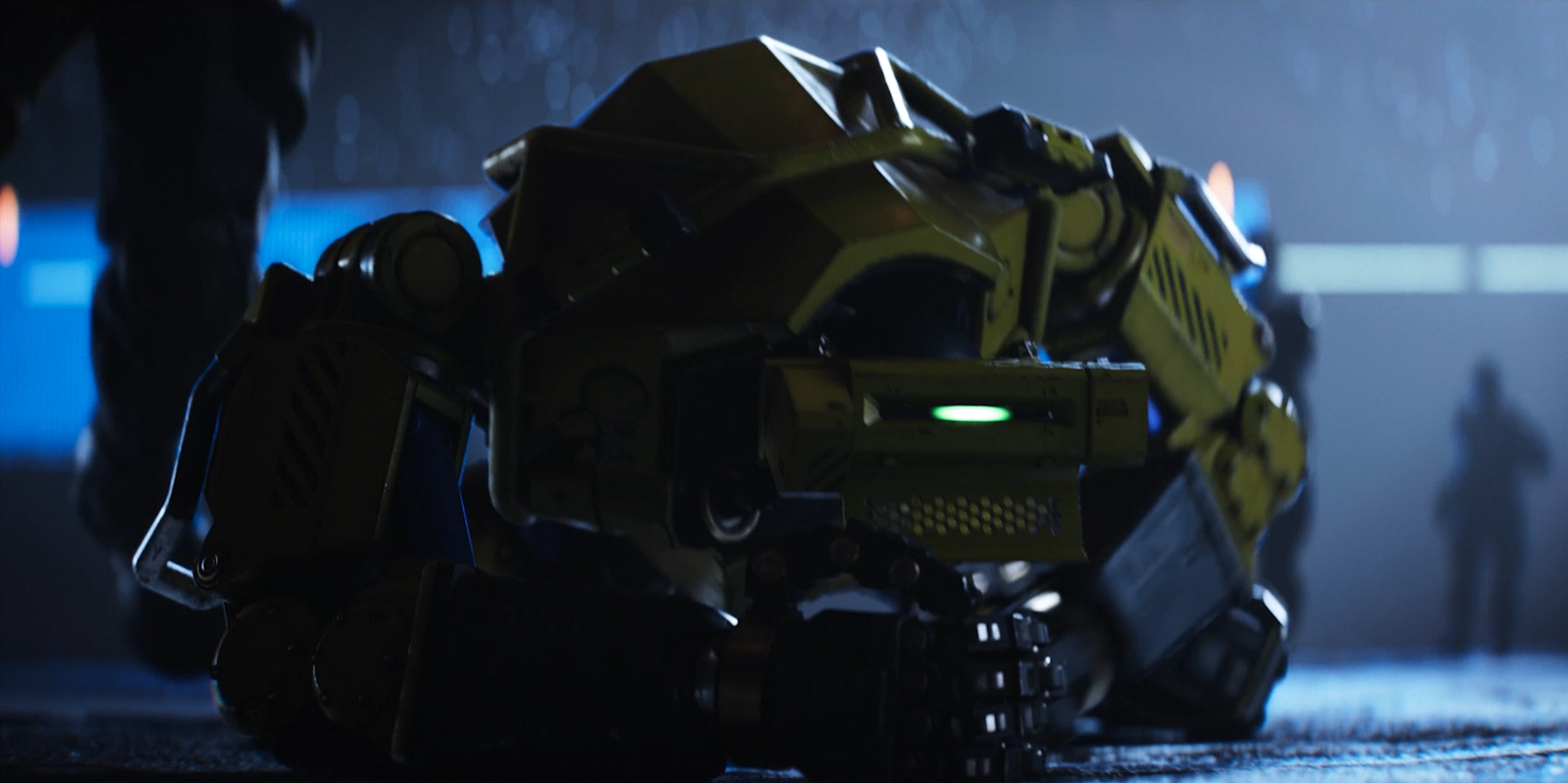
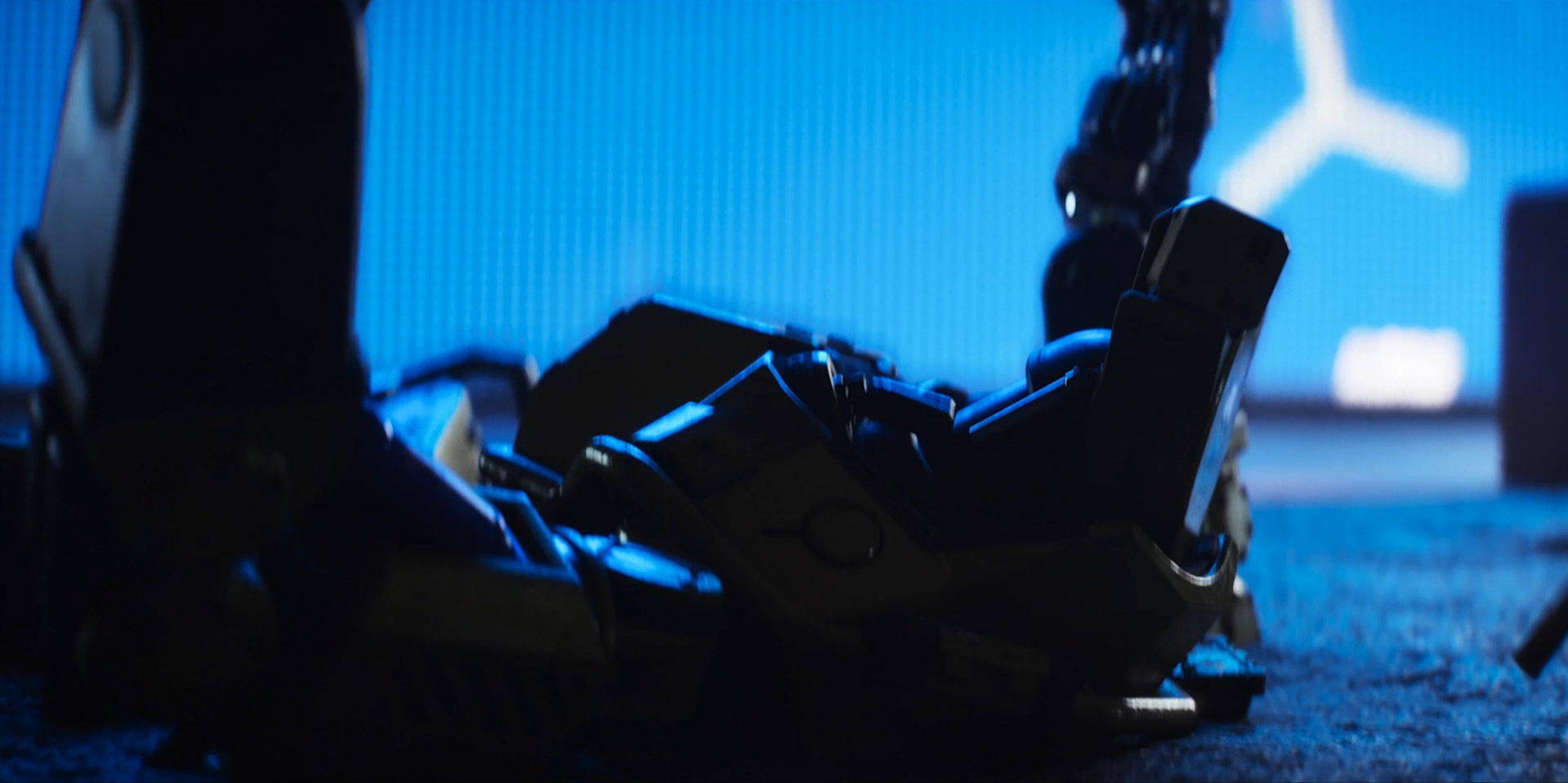
Each fight and arena was designed with its own distinct color identity, evolving in parallel with the narrative. For example, in the “Blue” fight, I wanted the blue tones to gradually dominated the frame as Xan lost the fight and the mercenaries seized control, visually reinforcing the story beats through lighting and color palette.
lighting
.
All lighting was done using real time solutions Lumen and RTX ray tracing. We felt that relying on the path tracer would defeat the purpose of using Unreal, so the show was lit entirely using Lumen. This allowed Animation and Layout to work directly with lit shots, making camera and animation fixes possible with near final lighting already in place.
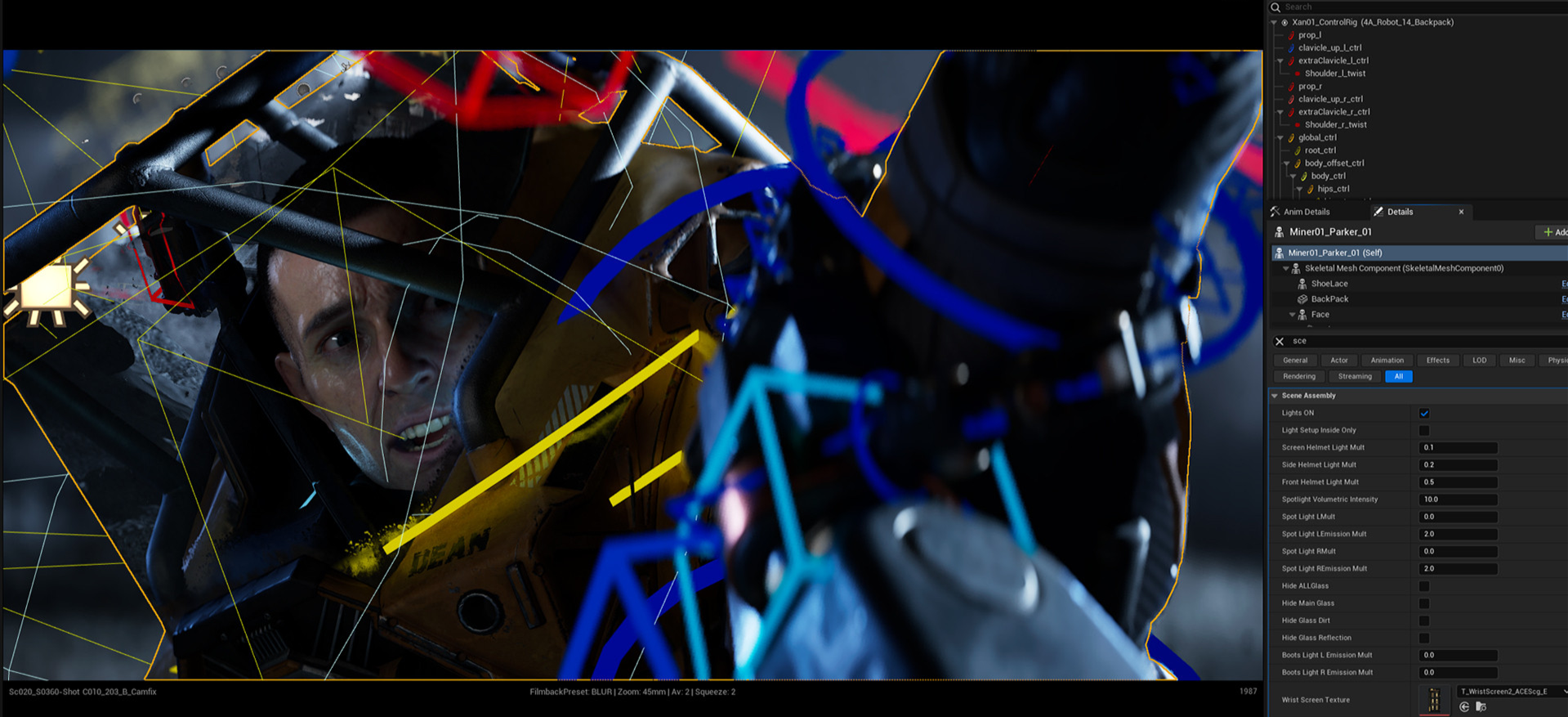
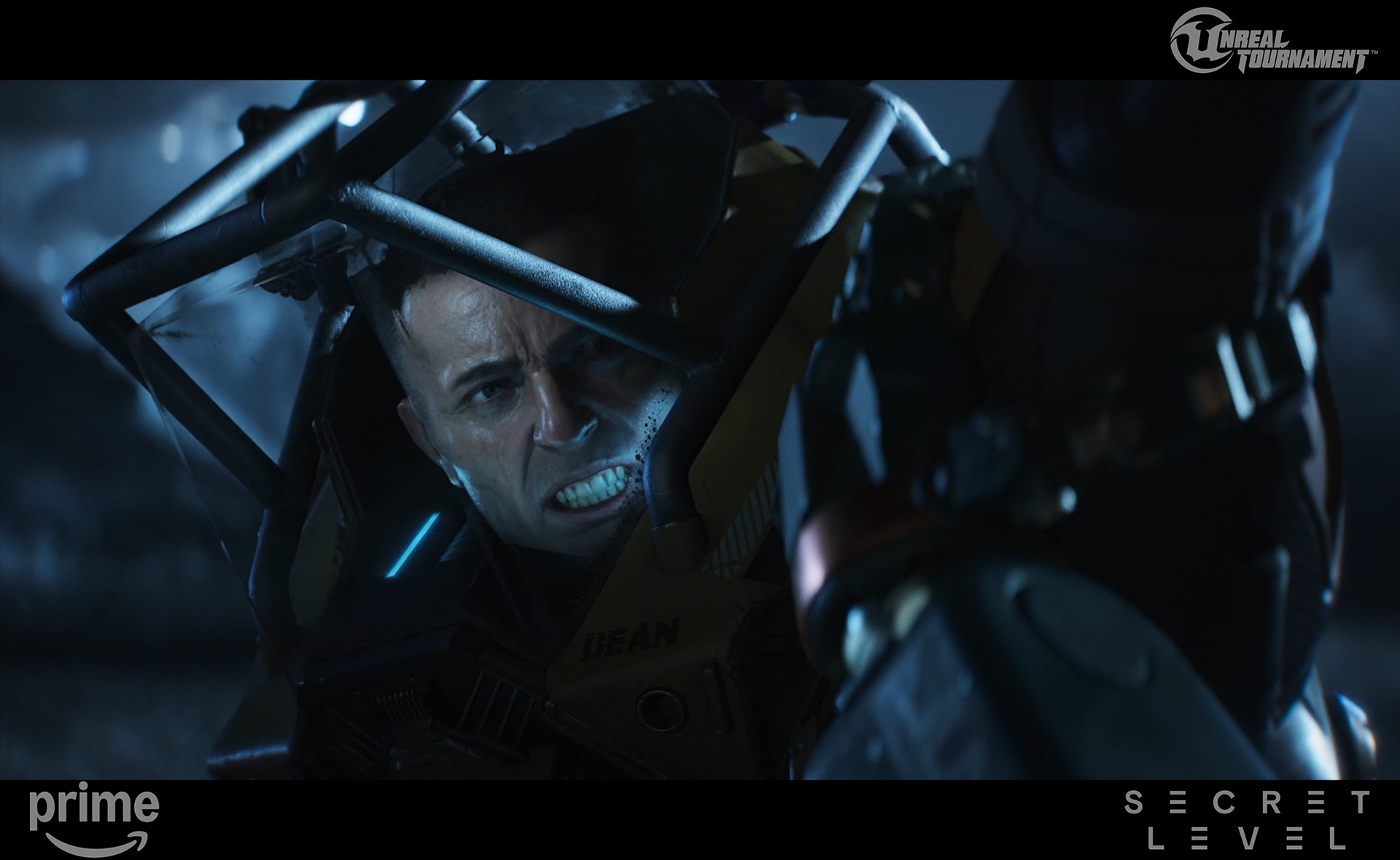
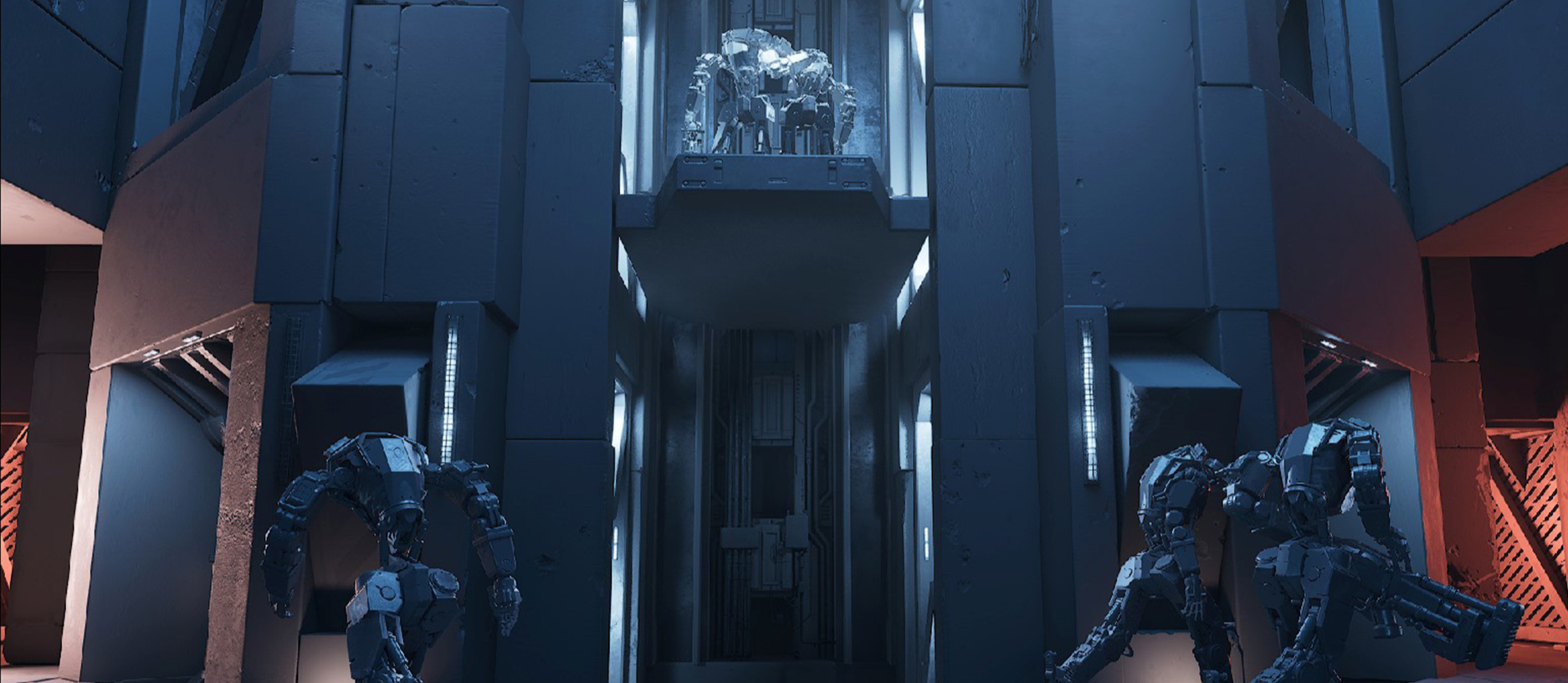
Our toolkit was grounded in the basics: mostly point and rect. lights, injected with custom HDRI maps to add depth, texture, and realism to the lights. These HDRIs were captured from real world lights and reflectors, giving our sources a natural complexity. We also relied heavily on blockers and bounce cards to sculpt scenes and refine the look.
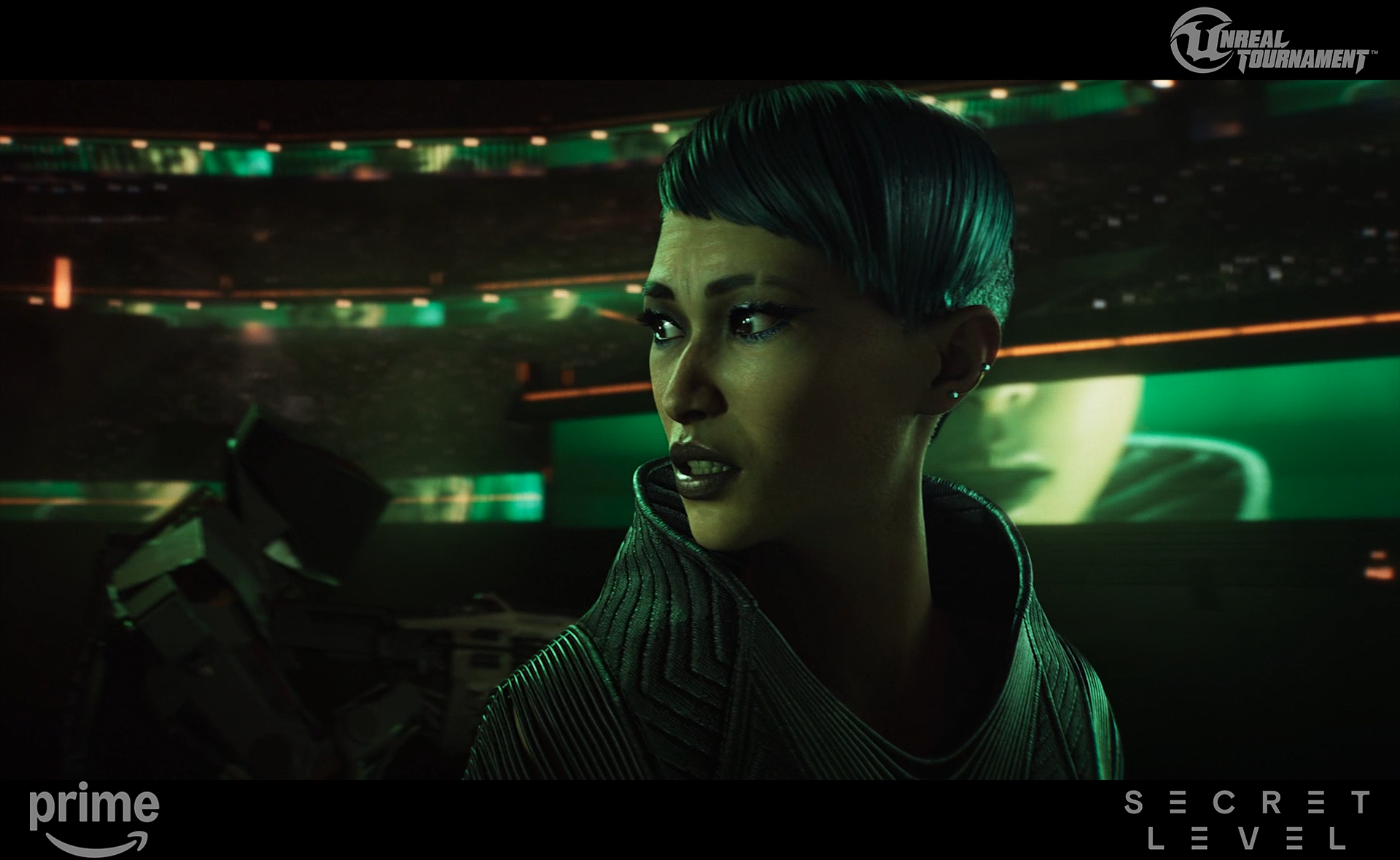
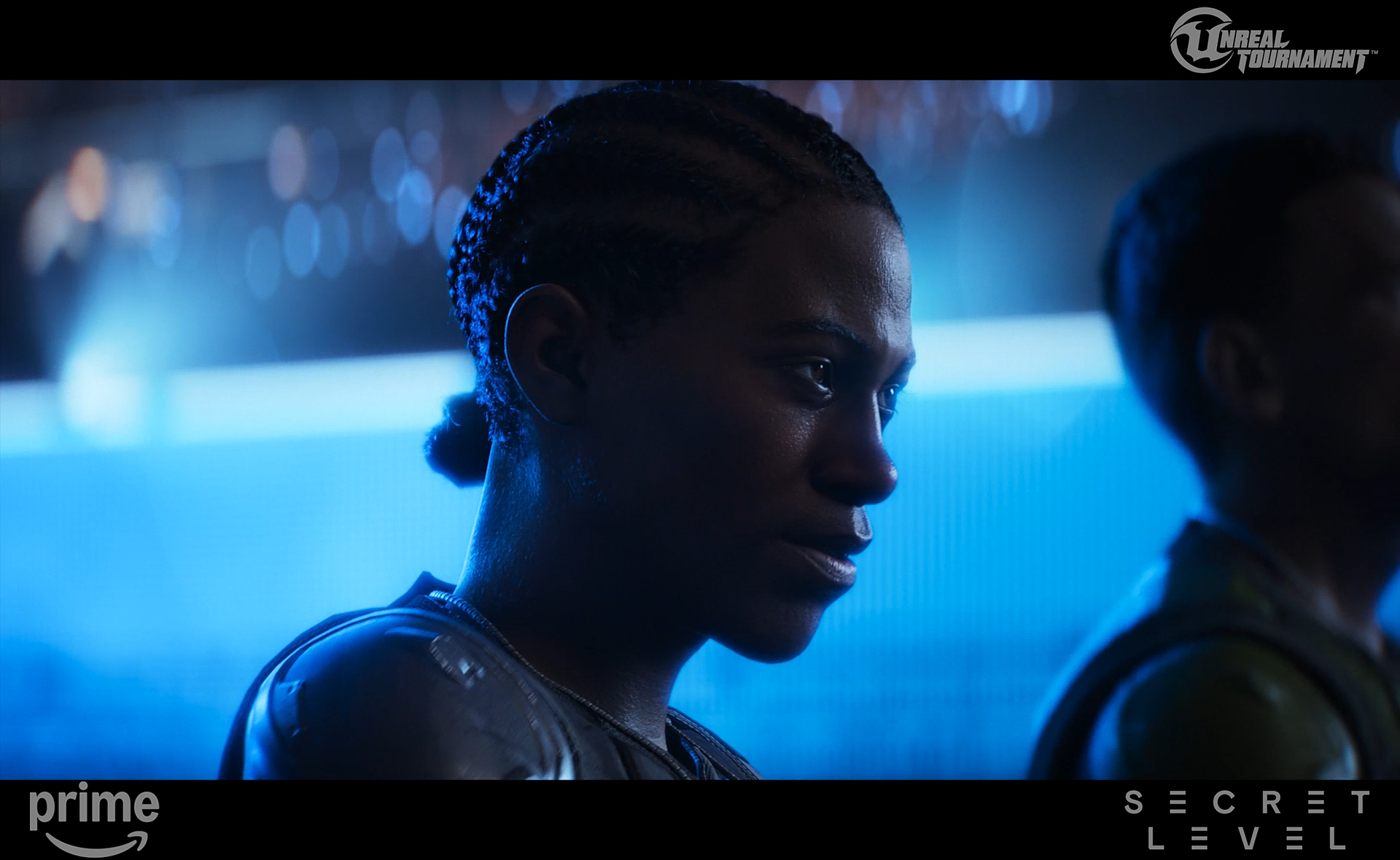
Capturing realistic skin response required some extra mental and technical gymnastics. We paid special attention to light size, shape, and chroma, as even subtle shifts could break believability. Balancing these qualities was key to getting skin to feel natural under the often dramatic, stylized lighting setups.
rendering pipeline
.
We worked with a vanilla build of Unreal Engine 5, identical to the publicly available version. A few custom tools were developed primarily for workflow optimization, including scene loaders and shot organizers, which helped streamline production.
One of the most crucial additions was a custom render pass system, since UE5 at the time did not natively support this. The system allowed us to decompose elements into separate passes, which were then processed in Nuke, mainly for optical effects and glow/convolution.

Most shots were rendered as a single pass, with only emission decomposed, but for hero character shots we often decomposed foreground and background to correct depth-of-field artifacts, particularly on hair. This hybrid workflow gave us the flexibility to solve technical challenges while keeping the bulk of rendering efficient.

70
SHOTS IN
3
DAYS WITH
4
PEOPLE
technology
.
Being the only episode in the show produced entirely in a real-time engine, our work had to stand shoulder-to-shoulder with episodes created using traditional offline pipelines. Not only did it hold up, but it also became one of the highest rated episodes of the season and of the episodes with the largest shot count and runtime. Unreal gave us an unprecedented level of speed and agility.
The best proof of this was when our team of just four artists produced a 70 shot trailer in only three days. That experience completely reshaped how I think about productivity and what’s possible, both as a team and as an individual. It pushed me to grow artistically, brought our team into perfect alignment, and gave us a huge boost in momentum and morale.
That same small group went on to handle scene assembly for the majority of the episode’s shots, kicking serious ass every step of the way.
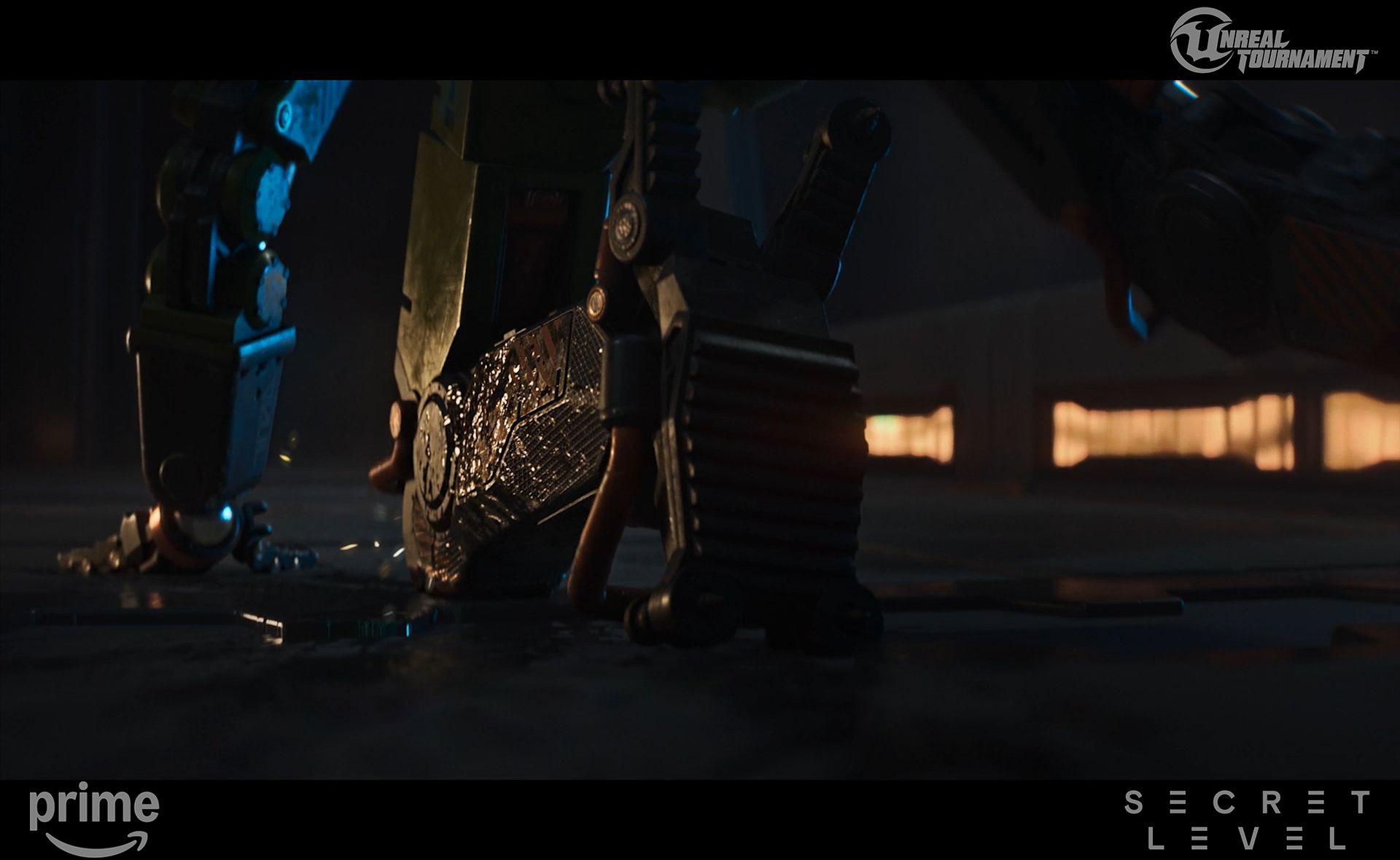
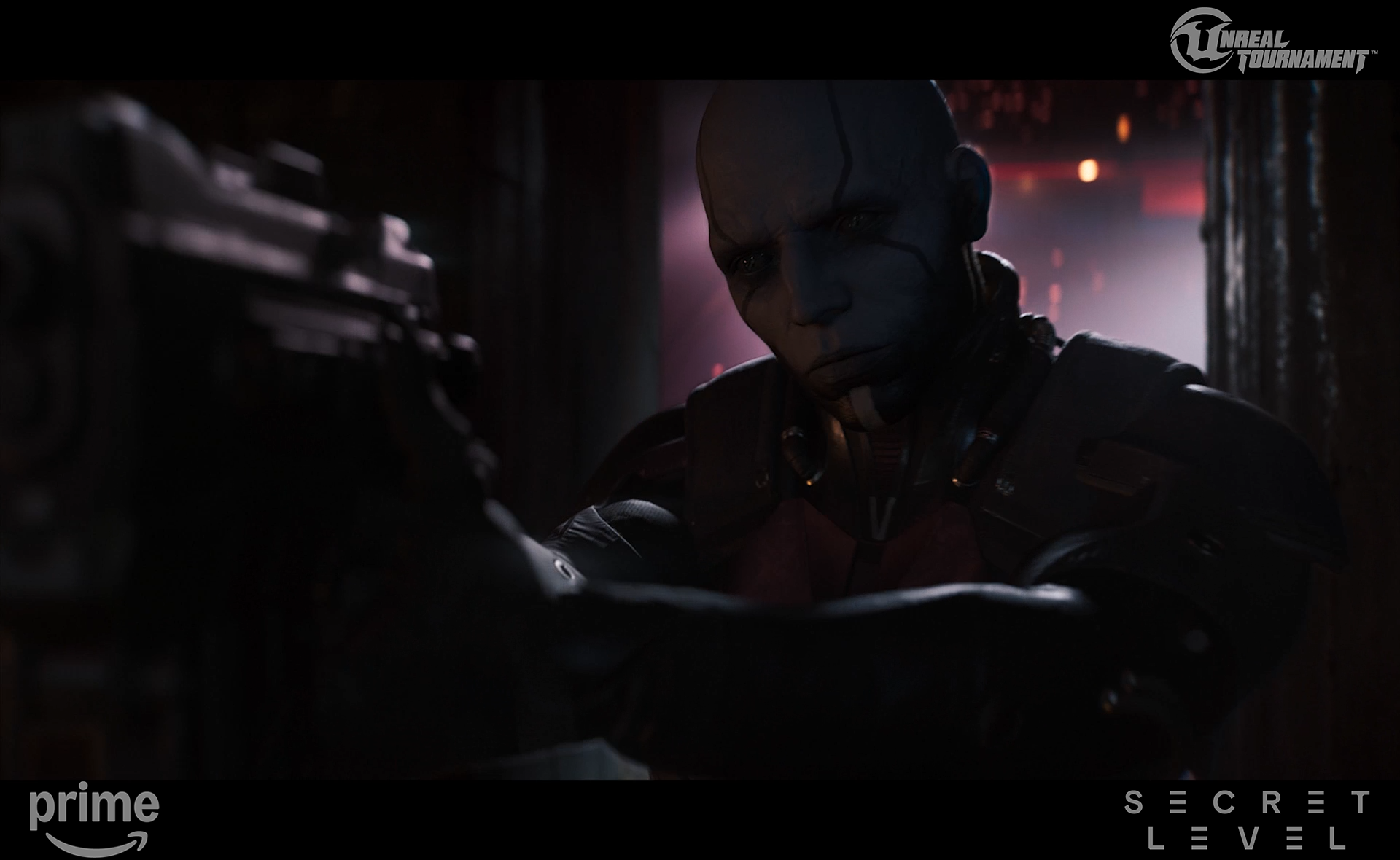
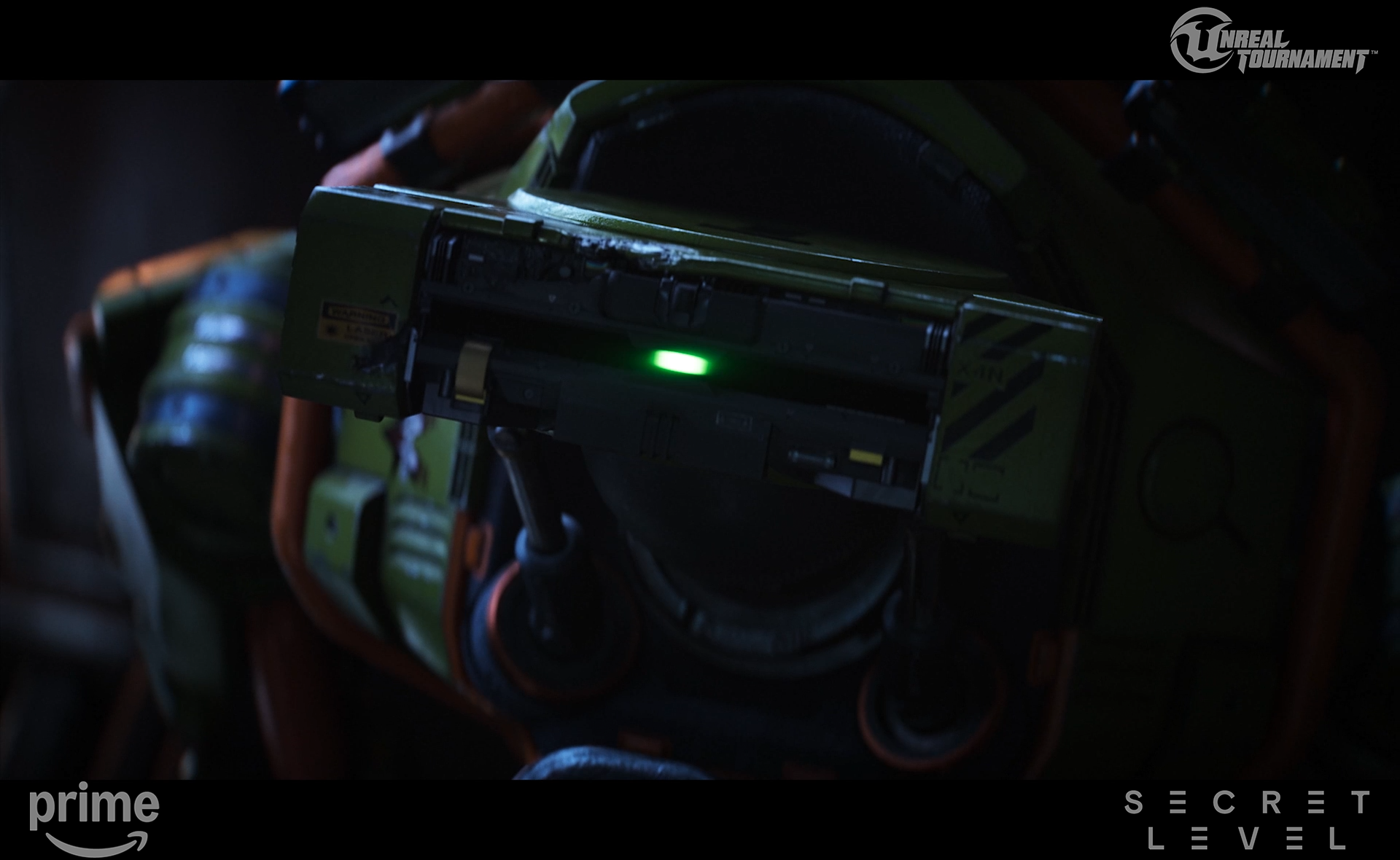
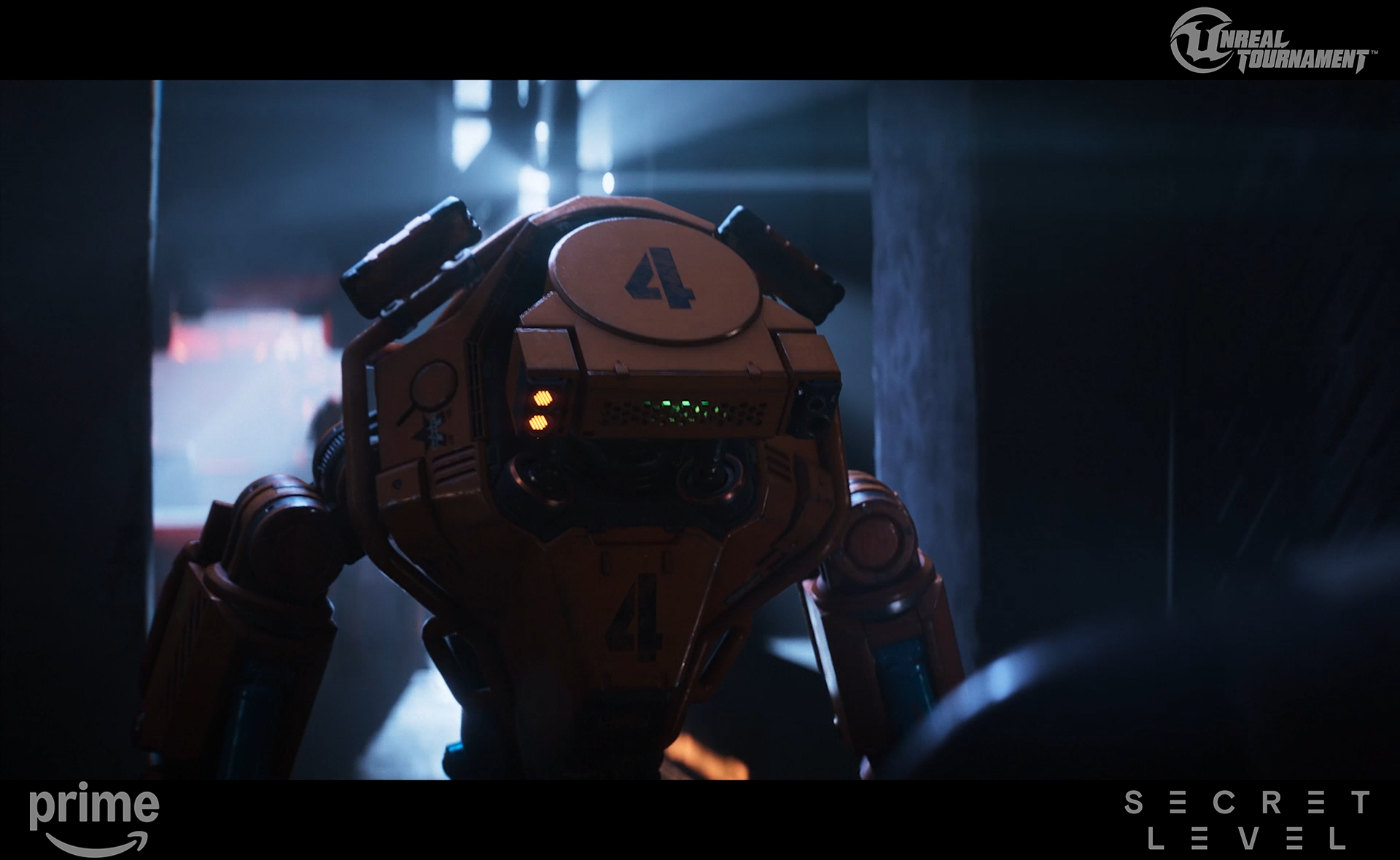
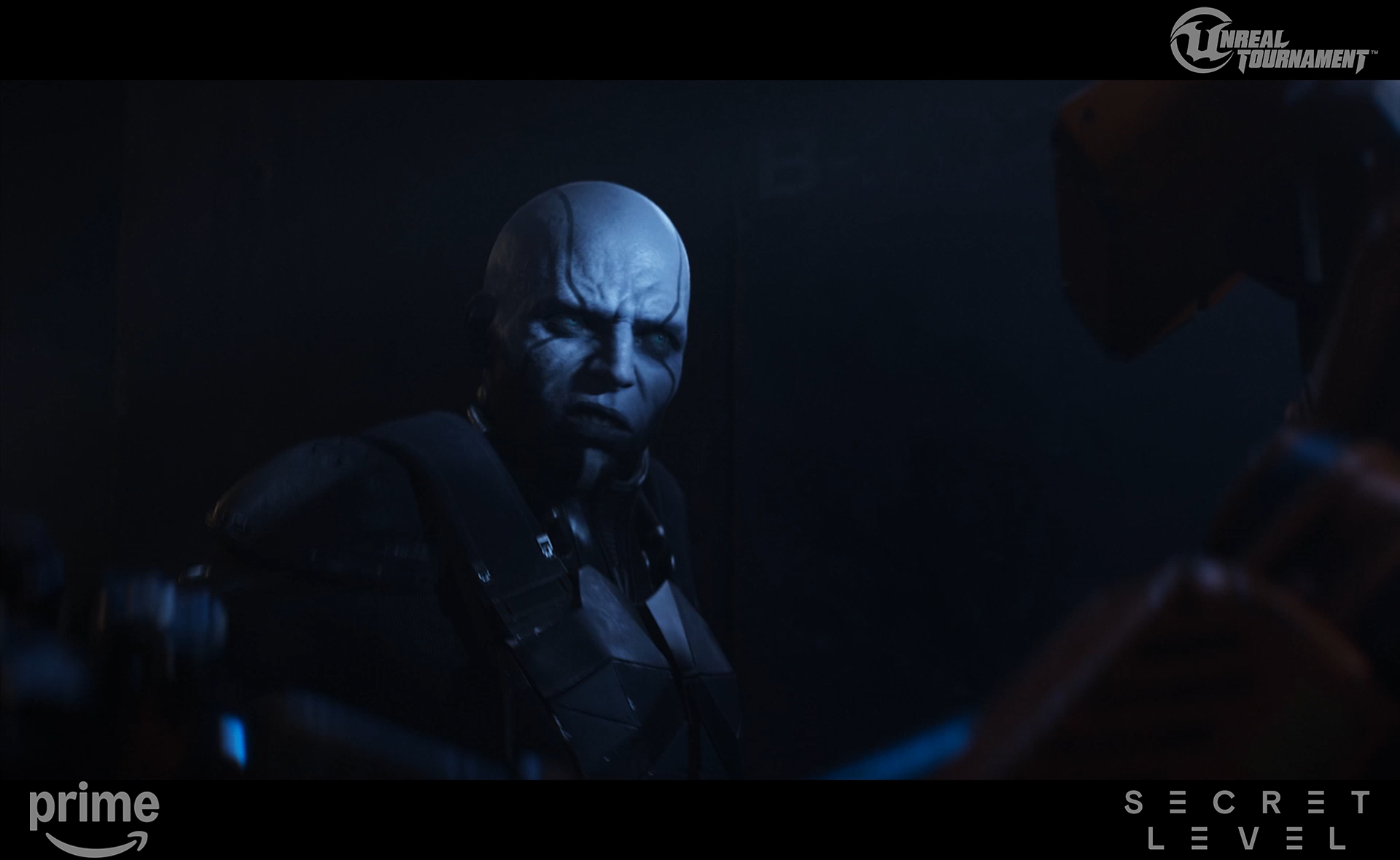
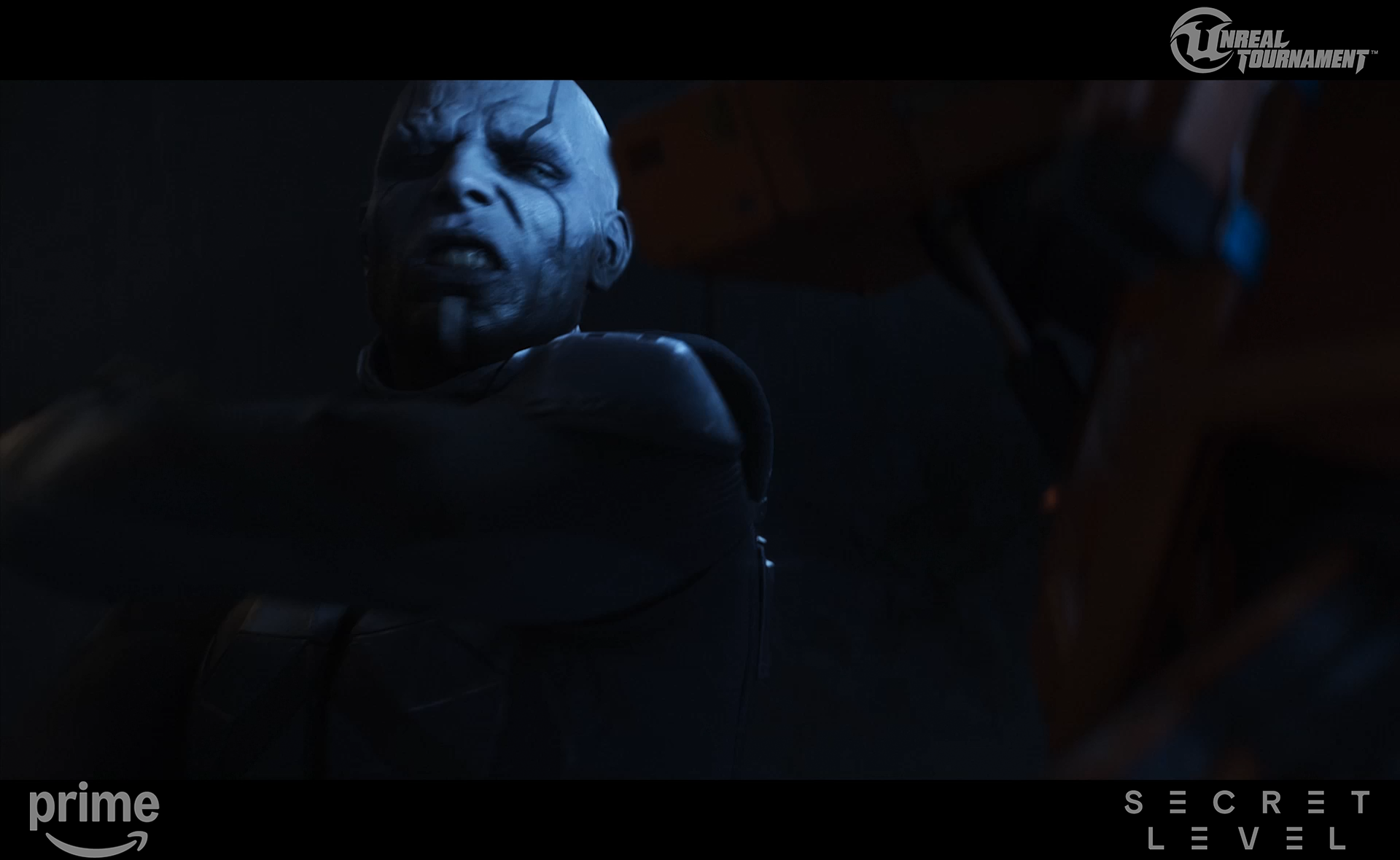
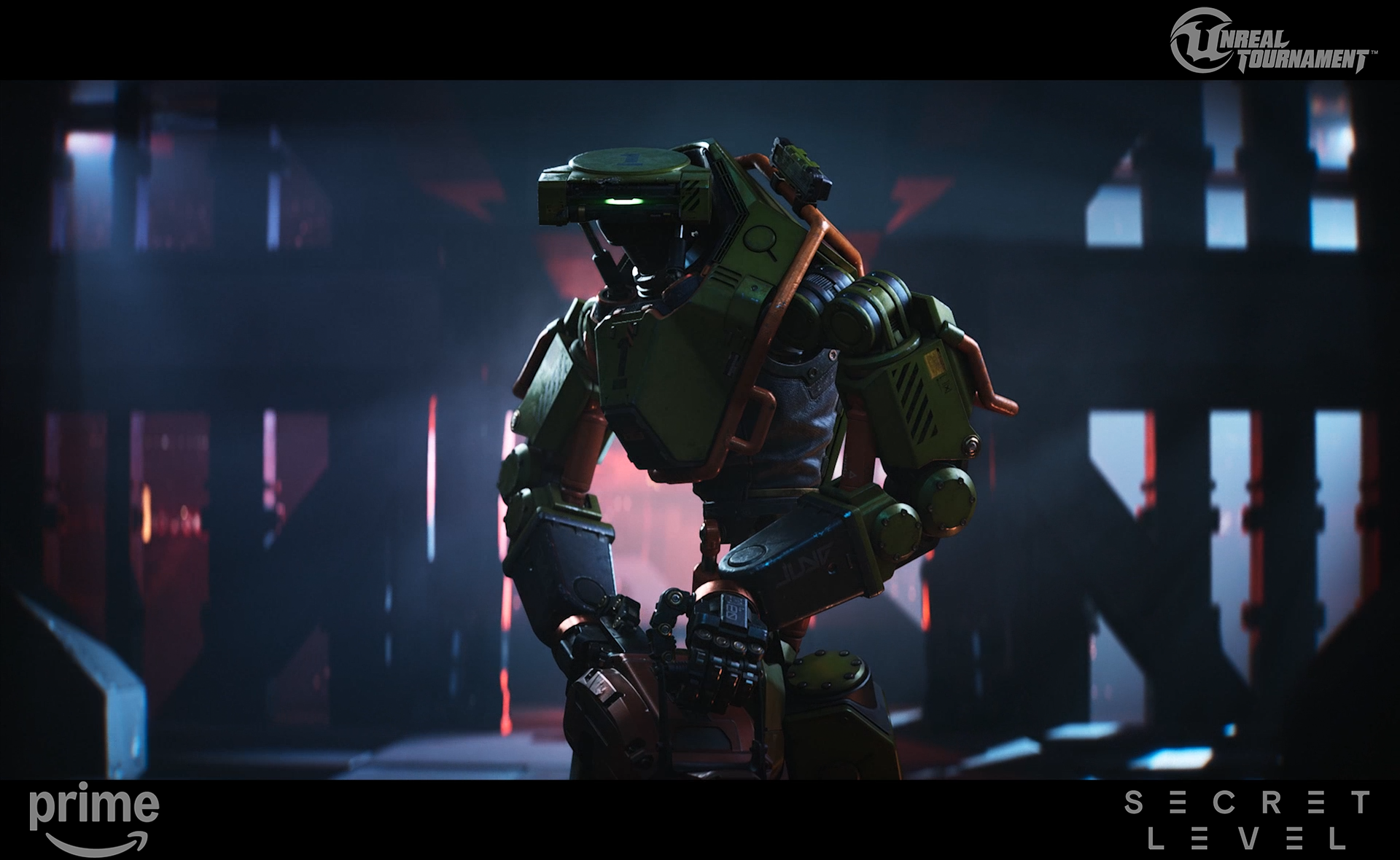
SECRET LEVEL UNREAL TOURNAMENT: XAN
This project was a true labor of love, brought to life by the insanely talented art badasses at Blur. You inspired me every single day, pushed me to level up my craft, and made this madness possible. You know who you are!
Projects like this remind me why I fell in love with this craft in the first place — the mix of art, tech, and collaboration at the highest level
credits
.
Series Created by: Tim Miller
.
Supervising Director: Dave Wilson
Director: Franck Balson
Art Director: Alexey Andreev
Writer: Justin Rhodes
Producer: Célia Digard
unreal team
.
CG supervisor: Jean Baptiste Cambier
.
Alla Chernova
Damien Peinoit
David S. Olson
Mathias Jourdes
Vladimir Somov
_____________________________________________If you’re looking to push your project visually, let’s talk. I’d love to help craft worlds and stories that hit with impact.
You can check out more breakdowns and shots from the episode on my ArtStation